
Last updated November 18, 2026








Free in-home design visit - walk-in showers, tub-to-shower conversions, and Kohler, Moen, and Delta fixtures planned to your exact space
Seasonal Bathroom Remodeling Care for North Las Vegas: Year-Round Homeowner’s Guide
Grout cracks in North Las Vegas for a reason most guides never mention. It isn’t a leak or bad installation. It’s movement – the kind that comes from a bathroom wall cycling between a 115°F exterior and a 72°F interior dozens of times each summer. The tile doesn’t fail all at once; it lets go a little at each transition, and the crack appears months later when someone finally looks. North Las Vegas doesn’t have four seasons the way the rest of the country does, but it has four distinct stress cycles that hit a bathroom harder than humidity ever would. This guide breaks down each one and tells you what to check, when to check it, and which problems belong in the hands of a specialist.
Styles & brands we work with
- Walk-in shower
- Tub-to-shower
- Freestanding tub
- Kohler
- Moen
- Delta
- Frameless glass
Quick Answer
Seasonal bathroom care in North Las Vegas means protecting grout, caulk, fixtures, and ventilation from four repeating stress cycles: extreme summer heat, the fall transition, dry winter air, and spring dust. Each cycle stresses a different part of the bathroom, and each needs its own check. Most failures we see in remodeled bathrooms here trace back to one skipped inspection between cycles, not to a single bad installation. Do the four checks below and a well-built bathroom will handle the year.
Table of Contents
- The Summer Stress Cycle: Heat, AC, and What It Does to Your Bathroom
- The Fall Transition: Inspect Before the Cooler Months Lock In Any Damage
- The Dry Winter Period: Low Humidity and What It Does Differently
- Spring Dust Season: Your Exhaust Fan and Air Quality
- Water Softener and Filtration Checks by Season
- Why Waterproofing Behind the Tile Matters More Than Any Seasonal Check
- The Year-Round North Las Vegas Bathroom Calendar
- Common Mistakes to Avoid
- When to Call a Professional
- Frequently Asked Questions
- The Bottom Line
The Summer Stress Cycle: Heat, AC, and What It Does to Your Bathroom
Summer in North Las Vegas is the toughest test a bathroom faces all year, and it isn’t just because it’s hot. It’s because of the temperature swing. A bathroom with an exterior wall reads the full outside temperature on one side and the air-conditioned interior on the other. Every time the sun hits that wall and then the day cools into evening, the wall moves. Tile is rigid; the substrate underneath is not perfectly rigid; the grout between them takes the difference. Over one summer that cycle repeats dozens of times.
What to watch in summer:
- Grout and caulk joints around the tub and shower. Thermal movement opens hairline cracks first at the corners and seams. Cracks you can catch early are cheap to seal. Cracks that have been open through a hot season usually mean water got behind the tile.
- Exhaust fan load. In July the fan is moving hot, humid air against a much hotter attic. If it’s sluggish or noisy, moisture stays in the room longer, and the fan motor is working harder than it will any other month.
- Water heater setting. It gets overlooked because it doesn’t live in the bathroom, but summer is when it matters most. ACs in North Las Vegas run long and hard; a water heater set very high adds load to the same system. A moderate setting keeps hot water ample without working the system harder than it needs to in July.
- Supply line connections and shutoff valves. Heat softens flexible lines faster than most owners expect. A once-a-summer look under each sink takes two minutes.
One useful way to think about it: summer is the season to check everything the ambient heat and the AC load are pushing on at the same time. That’s the boundaries, not the surfaces.
The Fall Transition: Inspect Before the Cooler Months Lock In Any Damage
Fall in North Las Vegas is the inspection season. The heat backs off, the AC load drops, and the bathroom has just been through its hardest cycle of the year. What happens in September and October determines whether any summer damage gets noticed and repaired, or sits quietly behind the tile through the cooler months. Visible moisture is obvious in a bathroom. Slow moisture that has already gotten behind a seam is not.
Work through these in order:
- Check the caulk lines at every seam. Tub-to-floor, tub-to-wall, shower pan-to-wall, and the corners. Run a finger along each. Any gap, any soft spot, any line that crumbles is a reseal, not a patch.
- Look at the ceiling below the bathroom if you have one. A slight discoloration after a summer of daily showers tells you water is getting through and traveling. This is the single most valuable inspection a North Las Vegas homeowner can do in the fall.
- Press on the tile near the shower pan. Tile that sounds hollow or moves slightly means the setting bed has loosened. That’s typically from movement, not a leak, and it’s worth a professional look before it becomes both.
- Test the exhaust fan’s actual pull. Hold a piece of toilet tissue up to the grille while the fan runs. If it holds, the fan is moving air. If it falls, the fan or the duct needs attention before the season turns.
- Check the shower door seals and the frame. Rubber sweeps on glass doors harden and shrink. In this climate they age faster than homeowners expect, and a failed sweep puts water on the floor and under the tile edge.
- Inspect supply lines, p-traps, and valves under every sink. Fall is the last easy look before heating season.
Do these in a single afternoon and you’ve caught most of what a summer can throw at a North Las Vegas bathroom.
The Dry Winter Period: Low Humidity and What It Does Differently
Winter here is dry. Not humid-cold, not freezing-and-thawing. Dry. And that changes what fails. In a humid climate, winter care is mostly about moisture control. In North Las Vegas, winter care is about the opposite. Low indoor humidity pulls moisture out of anything that can give it up: grout, caulk, wood, and the manufactured wood products used in many vanity cabinets.
What actually happens in a dry winter:
- Grout shrinks slightly. A cement-based grout that was fully cured and tight in summer can develop hairline cracks in winter purely from losing a bit of moisture and moving. These cracks are usually cosmetic, but they’re the ones that let water in when summer showers return.
- Caulk pulls away at the edges. Look at the perimeter lines where caulk meets tile and where it meets the tub or pan. That’s where adhesion goes first in dry air.
- Wood vanity components move. Doors that swing slightly differently in January than they did in June are usually a sign of the wood responding to the humidity swing, not of a broken hinge. The fix is often a small adjustment, not a replacement.
- Cabinet seams at the toe kick and sides. In a dry, dusty interior these seams dry out. A light application of a proper wood conditioner, not a refinish, keeps the seams from opening further.
Winter is also a sensible time to plan a Bathroom Remodeling North Las Vegas project. Cabinets and fixtures are inside; the work isn’t waiting on hot-weather materials to cure; and a bathroom with a walk-in shower or an updated shower valve is a bathroom you’ll appreciate more in cooler months. Our technicians have up to 9 years of experience with installs in this climate, and we can walk through what would actually make the difference for your space.
Spring Dust Season: Your Exhaust Fan and Air Quality
Spring in North Las Vegas means wind, and wind means dust. Dust doesn’t just settle on the floor; the exhaust fan pulls it in and packs it around the motor, the blades, and the grille. A fan that was moving plenty of air in January can drop to half its capacity by April not because it’s broken, but because it’s clogged. That matters because the fan is the bathroom’s moisture control, and it runs hardest in the wet season of daily showers and the hot season of AC load.
How to clean the fan without voiding a motor warranty:
- Turn the breaker off first. Not the fan switch; the breaker. Confirm the fan will not turn on before touching anything.
- Remove the grille, not the motor. Most grilles pull down or unscrew. That’s the part you’re allowed to clean. The motor itself often carries the warranty; some fans can be cleaned in place with a soft brush, and some can’t. If you don’t have the manual, call the manufacturer or a professional rather than pulling the motor out.
- Wash the grille with warm water and a mild detergent. Let it dry fully. Don’t spray cleaner directly into the housing; that’s how the motor gets wet.
- Check the duct connection. With the grille off, look that the duct is still attached and not sagging or disconnected. A disconnected duct in an attic tells dust where to go and takes the moisture control out of the room.
- Don’t oil the motor. Modern sealed fan motors are not meant to be oiled. Doing it is one of the most common ways homeowners accidentally void a warranty.
- Wipe the blades if the grille design allows it. If the blades need more than a soft brush, that’s the moment to call someone.
Spring is also the time to think about what’s in the air. An exhaust fan that is pulling dust rather than moisture is doing half its job. Ask yourself whether your fan was sized for the bathroom it serves. A fan that’s undersized for the space works harder and gives less, and no amount of cleaning fixes a sizing problem. A specialist can tell you in a single visit.
Water Softener and Filtration Checks by Season
North Las Vegas water is hard. Most homeowners here know that, and many have a softener or a filtration system. What fewer homeowners do is tie the softener to their bathroom care routine, even though the two are directly connected. A softener that’s overdue for service doesn’t just affect the dishes; it affects the shower glass, the fixtures, and the caulk. Hard water deposits build up on glass, on the chrome and brushed finishes of Moen and Delta fixtures, and inside the shower valve cartridge. Over time, that buildup changes how the water flows and how the fixtures feel and look.
Seasonal softener and filtration checks:
- Summer: Check the salt level more often than you think. High outdoor temperatures and heavy shower use mean more water through the system, and salt depletes faster. Refill the water softener to the manufacturer’s recommended level and check for salt bridging (a crust of hard salt that stops the softener from working).
- Fall: Check the brine tank, inspect for deposits on the fixtures, and clean shower glass with a product that removes mineral film without scratching. A softener that’s working correctly keeps that film from building.
- Winter: Dry air plus hard water is the worst pair for caulk and grout. A softener that’s low on salt in winter sends hard water through the shower daily with no buffer, and the mineral deposits in the grout are harder to remove once they’re dry-set. Keep the softener topped up and check the filtration cartridge.
- Spring: Change the filtration cartridge. Many homeowners change it once a year and do it in spring, which is smart: the water coming into the house after dust season is the water the filter has to handle. Change it, and clean the shower glass and fixtures to start the cycle clean.
If you’ve never checked what your water softener is actually doing, a specialist can work with you to read the signs. It’s the maintenance most North Las Vegas homeowners leave out of their bathroom care routine, and it’s usually the one that saves the most on fixtures over time.
Why Waterproofing Behind the Tile Matters More Than Any Seasonal Check
Everything in this guide so far is about the surface. The surface is not where bathroom failures live. The waterproofing behind the tile is. In North Las Vegas, summer and dry-winter movement is the stress test, and where the waterproofing is right, the bathroom handles that stress without consequence. Where it’s wrong, no amount of seasonal caulking saves it.
This is where we’re specific about how a bathroom is built. We use Schluter Systems for substrates, waterproofing, and tile edge work. That’s a choice about what’s behind the tile, the part of the work nobody sees after install and the part that determines whether the tile is still sound after a decade of this climate’s swings. A shower built with proper waterproofing below and around the pan handles thermal movement and dry-air shrinkage as a complete system. A shower built with a surface membrane glued directly to the backer is relying on that membrane alone, and the thermal movement finds the seams first.
What this means for a North Las Vegas homeowner planning a remodel or a shower update:
- Ask what substrate and waterproofing system the installer uses. If the answer is vague, that’s the answer.
- Ask whether the shower pan is sloped to the drain before waterproofing, not after.
- Ask whether the tile edge profile is Schluter or trim. Both are valid; know which you’re getting and why.
- Ask what happens at the wall-to-floor joint. That joint is where every surprise in a bathroom originates, and it deserves a detail, not a bead of caulk.
If you’re updating a tired tub into a walk-in shower, the install is the moment to get the waterproofing right. Our walk in shower service is built specifically around this: correct pan, correct waterproofing, correct slope, then the tile. A walk-in shower done right is easier to maintain year after year in this climate because there’s less caulked joint to fail. That’s the design argument, not just a preference.
The Year-Round North Las Vegas Bathroom Calendar
Here is the full year in one sequence, so you don’t have to guess what belongs in which season:
- March – April (spring dust season): Clean the exhaust fan grille, check the duct, replace the filtration cartridge, clean shower glass and fixtures. This is the reset for the year.
- May – June (into summer): Check the water heater setting against your actual use. Inspect the supply lines under sinks. Fill the softener and check for salt bridging.
- July – August (peak heat): Check caulk at all tub and shower seams, watch the exhaust fan for sluggishness, look for any sign of water in the ceiling below the bathroom, and inspect the shower door sweeps.
- September – October (fall transition): The full inspection. Press on the tile, test the exhaust fan with the tissue test, inspect all caulk, and look at the water softener and cartridge. Fix small things now so winter doesn’t lock in a bigger problem.
- November – February (dry winter): Check grout for hairline cracks, adjust vanity doors that have moved with the wood, condition cabinet seams, keep the softener topped up, and look for edges where caulk has pulled away. Winter is also the planning season if a remodel is on your mind.
If you’d rather have someone else do the fall inspection, that’s a reasonable place to bring in a specialist. We help homeowners in North Las Vegas with exactly this. Our bathroom remodeling work is focused on bathrooms only, so the whole conversation stays on this room and what it needs.
Common Mistakes to Avoid
- Judging the bathroom by the tile and not the caulk. Tile can look perfect while the caulk behind it has failed. In this climate, the sealant is the part that moves first, and it deserves a look every season, not once every few years.
- Cleaning the exhaust fan by spraying it. Spraying cleaner into the housing is the fastest way to put moisture in the motor and void a warranty. Clean the grille only, and what you can’t reach with a soft brush belongs to a professional.
- Ignoring the water softener until the fixtures look cloudy. By the time glass and fixtures are clouded with mineral film, the shower valve cartridge has been taking the same deposits. Seasonal salt checks and cartridge replacement prevent the build-up that leads to low flow.
- Resealing over a wet seam. Caulk will not adhere to a damp or dusty joint, and in a North Las Vegas bathroom, that failure looks identical to the original problem. Cleaning and drying the joint fully is half the job.
- Treating the summer swing as “it’s just hot.” It’s not the heat that cracks grout; it’s the movement between the outside wall and the air-conditioned interior. Understanding that cycle is why thin-crack checks in fall catch the problem before it travels.
- Assuming a slow-draining shower is a clog and not a slope issue. If a shower built in a past remodel drains slowly from day one, it’s often a pan slope problem. Seasonal cleaning won’t fix a slope, and only an inspection will.
- Waiting for the ceiling below the bathroom to look wet before investigating. That’s the last sign, not the first. A fall inspection of the ceiling is worth doing before any visible evidence appears.
When to Call a Professional
Some checks belong to the homeowner and some belong to a professional. You can clean a fan grille, check the water softener salt level, reseal a caulk joint that’s clean and dry, and test the exhaust fan with a tissue. What belongs to us: tile that sounds hollow or moves when pressed, any sign of moisture on a ceiling below the bathroom, a grout line that cracks season after season, a shower door seal or frame that no longer sits right after installation, a softener connected to the shower valve that is underperforming, and any walk-in shower considering a first install or a tub-to-shower conversion. Those aren’t seasonal care items. They’re the things a bathroom specialist should see before they get worse.
Bathroom Remodeling North Las Vegas offers free estimates in North Las Vegas. Call (844) 834-0636. We answer 24/7. Fast dispatch from 7am to 7pm, Sunday through Friday.
Frequently Asked Questions
Check caulk at every tub, shower, and floor seam twice a year: once in fall after the summer heat cycle, and once in late winter during the dry period. Reseal any joint that has cracked, pulled away from tile, or feels soft when you press it. Touching up a joint early is far simpler than repairing water that has already gotten behind it. Call (844) 834-0636 for a free estimate if you’d rather have a specialist look at the joints.
Cracks in North Las Vegas bathrooms usually come from thermal movement, not leaks. The exterior wall of a bathroom takes the full summer heat on one side and the air-conditioned interior on the other, so the wall cycles between a wide temperature range over and over again through the season. Grout is rigid and the substrate underneath isn’t perfectly rigid, so the joints take the difference. Small cracks are normal; recurring cracks in the same place deserve a professional look. Call (844) 834-0636 for a free estimate.
Clean the grille, check the duct connection, and don’t oil the motor. Spring wind in North Las Vegas puts a lot of dust into the air, and the exhaust fan pulls it in. A clogged fan moves less air, and a bathroom with less ventilation keeps its moisture longer. Clean the grille with warm water and mild detergent, and if the fan still feels weak after cleaning, that’s worth calling about. A fan undersized for the bathroom is a planning issue, not a cleaning one. Call (844) 834-0636 for a free estimate.
A water softener that’s working properly keeps hard water minerals off your shower glass, grout, and fixtures. A softener that’s low on salt or bridging lets hard water through, and the deposits build on the shower valve cartridge and on chrome finishes. In summer, the softener goes through salt faster because the shower is used more. Check it seasonally, and change the filtration cartridge in spring. If the shower valve on a Moen or Delta fixture has started flowing poorly and the softener has been neglected, call (844) 834-0636 for a free estimate.
Yes, for most of it. Homeowners can inspect caulk, test the exhaust fan with a tissue, look at the wall below the bathroom, and check the water softener salt level. Anything on the tile or behind it, any sign of moisture traveling, and any recurring crack belongs to a specialist. Doing the light checks yourself and calling in a professional for the tile and waterproofing work is the right split. Call (844) 834-0636 for a free estimate.
Winter is the easier season to plan a bathroom remodel in North Las Vegas. The extreme summer heat puts more wear on the bathroom in general, and winter is the natural planning window when the room isn’t getting as much use. It’s also the season to review what the past summer did to the tile and caulk before committing to a new layout. If a walk-in shower or a tub-to-shower conversion is on your list, plan it now and use the winter to make the decisions. Call (844) 834-0636 for a free estimate.
The Bottom Line
North Las Vegas doesn’t give a bathroom a break. Four stress cycles move through it each year: summer heat and AC, the fall transition, dry winter air, and spring dust. Each one tests a different part of the room, and each one needs its own check. Keep the caulk joints sealed, keep the exhaust fan clean and moving air, keep the water softener working, and watch the tile for movement. Do those and a well-built bathroom handles this climate. What you can’t check yourself, a bathroom specialist can, and we build ours with Schluter waterproofing behind the tile so the seasonal checks are maintenance, not repair. Call (844) 834-0636 for a free estimate. We answer 24/7. Fast dispatch from 7am to 7pm, Sunday through Friday. We’re closed Saturday, and calls that come in then are booked into the next opening. If you’re nearby in Whitney, we cover that area too.
Written by the team at Bathroom Remodeling North Las Vegas.
See the difference
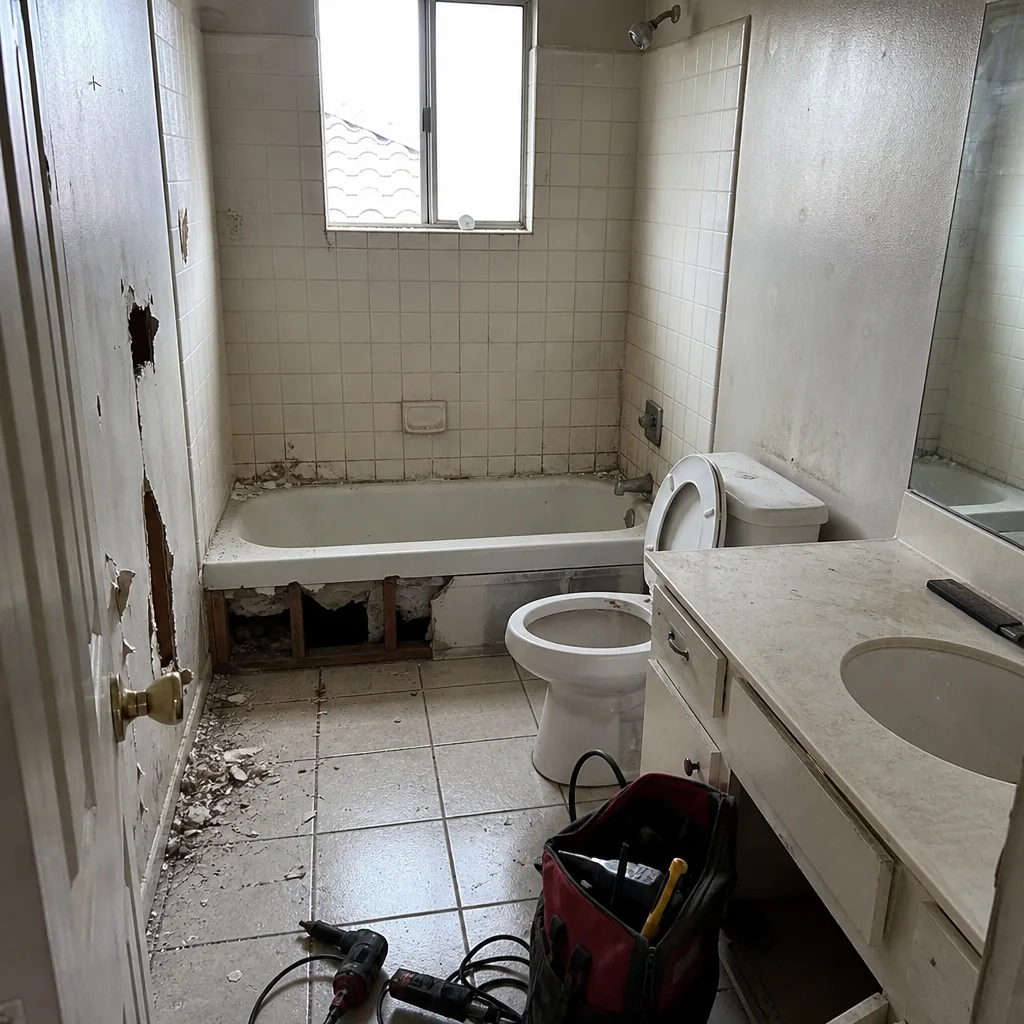 Before
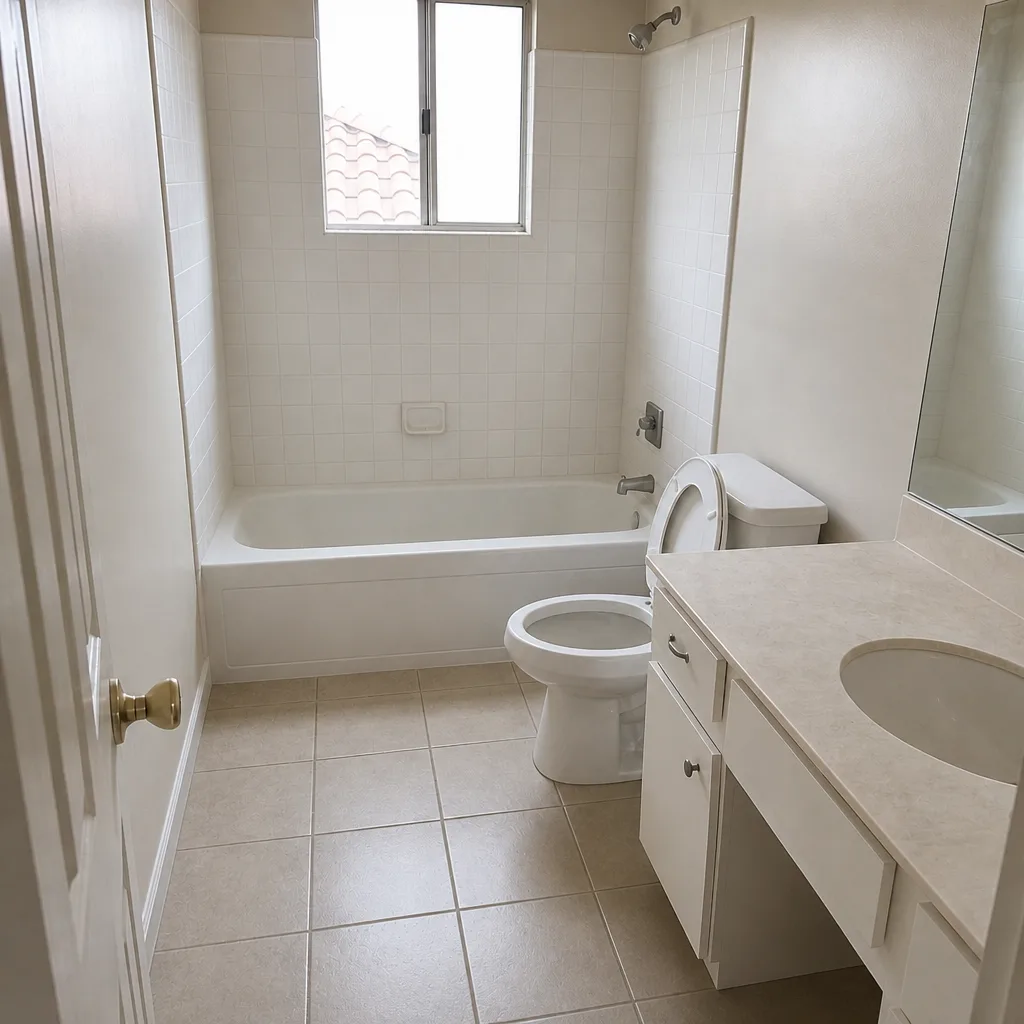 After
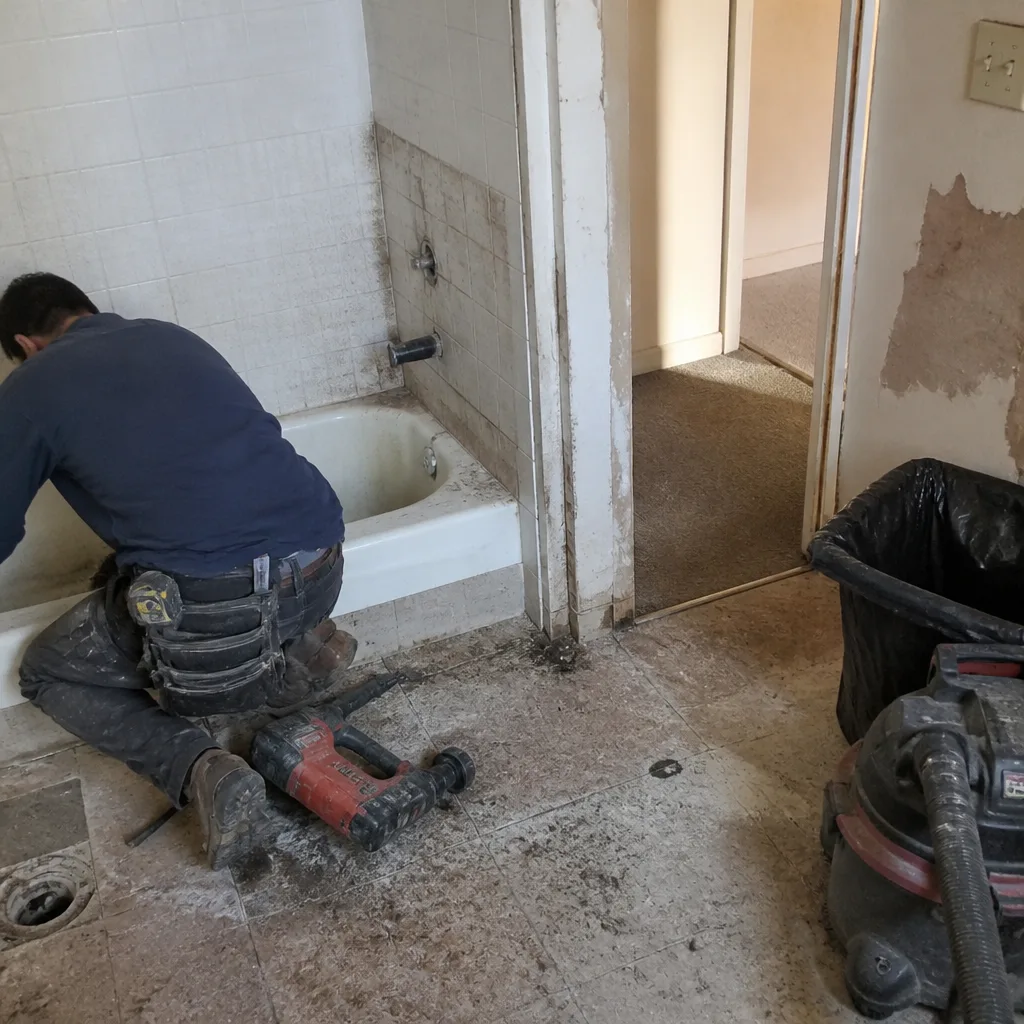 Before
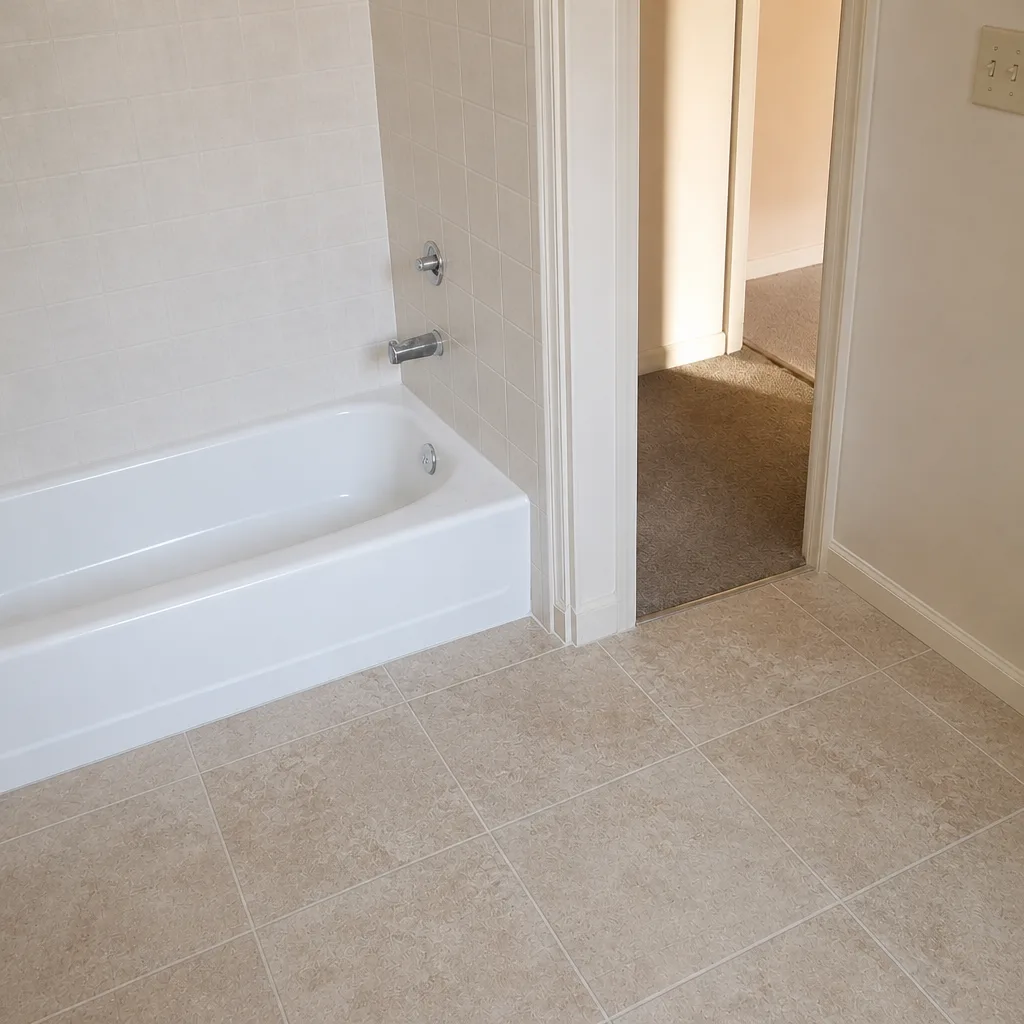 After
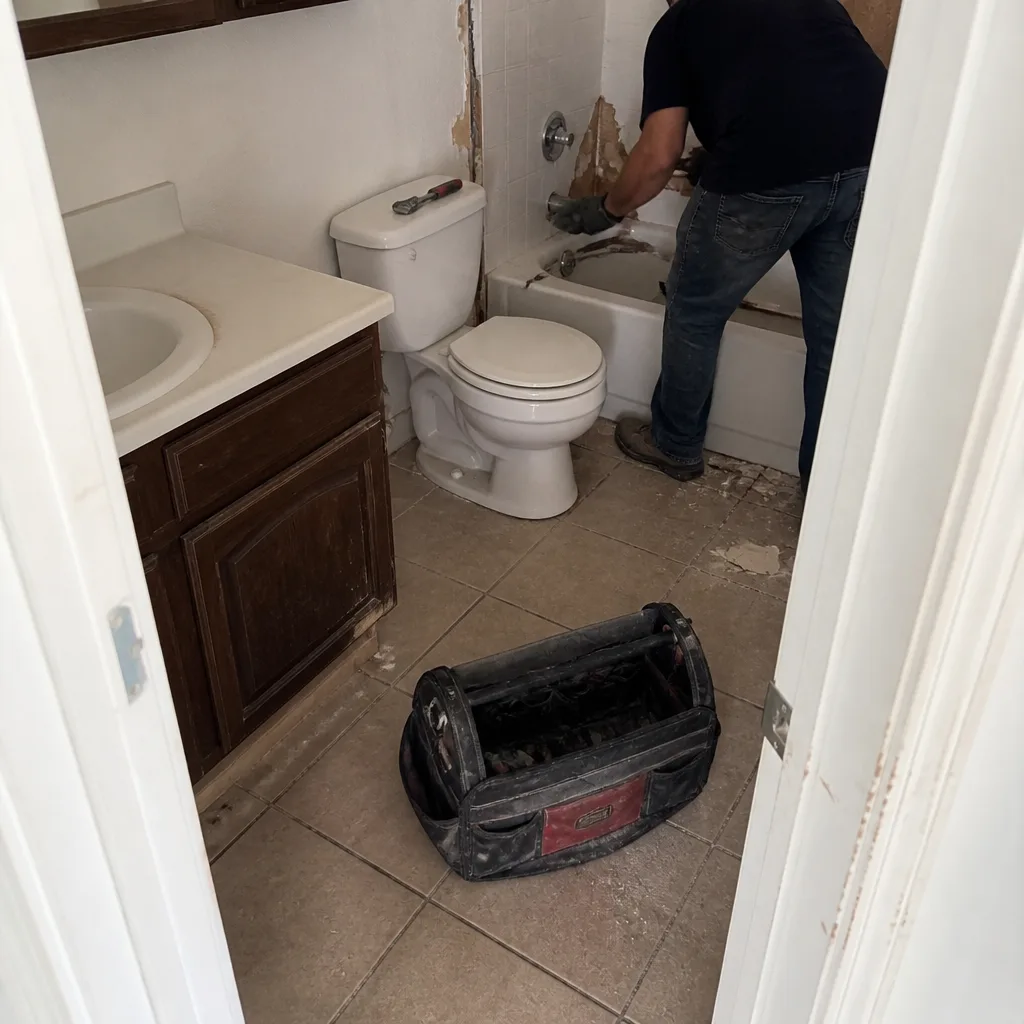 Before
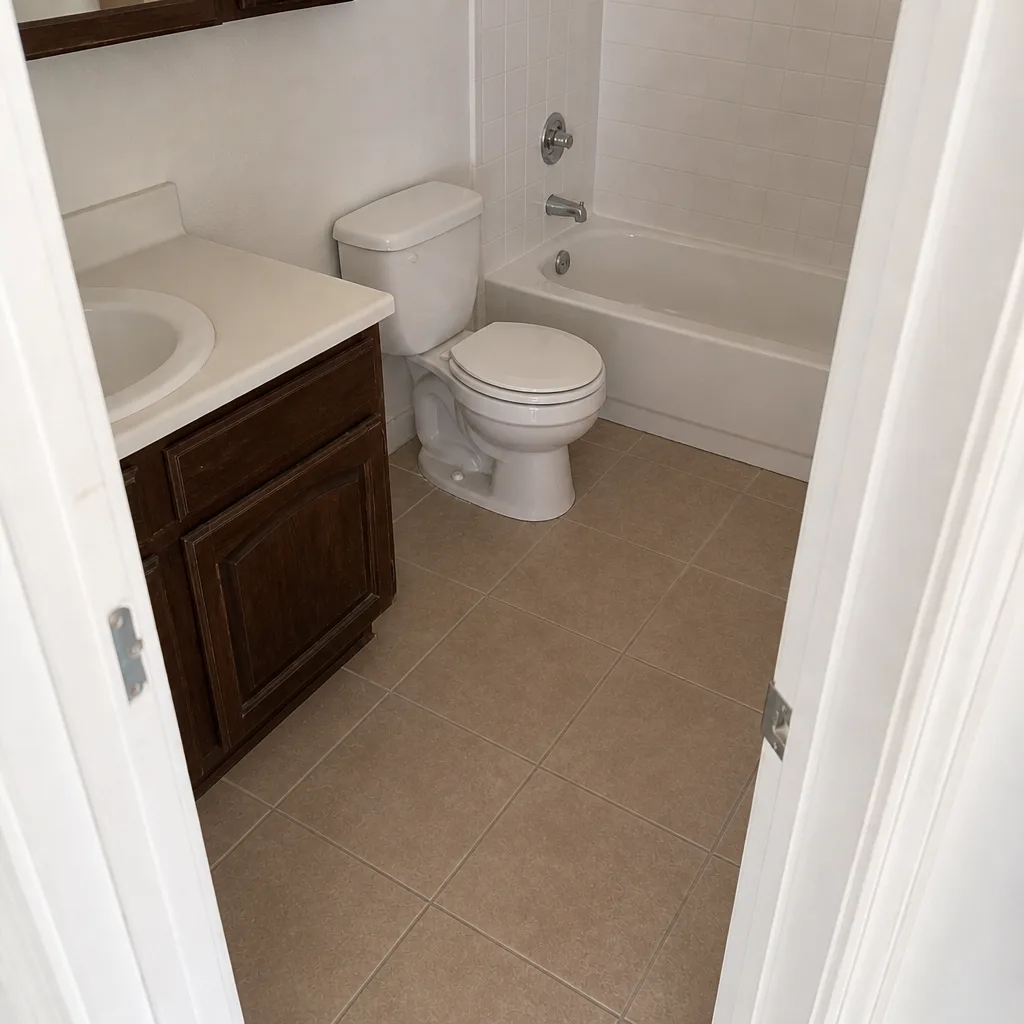 After