Last updated November 18, 2026




Free in-home design visit - walk-in showers, tub-to-shower conversions, and Kohler, Moen, and Delta fixtures planned to your exact space
DIY vs Professional Bathroom Remodeling: The North Las Vegas Homeowner’s Decision Guide
The tasks homeowners feel most confident tackling in a bathroom – laying tile, swapping a vanity – are also the tasks most likely to fail inspection or void a fixture warranty when the standards underneath them get skipped. Tile doesn’t care how good your intentions are; if the waterproofing behind it is wrong, the job fails whether a pro or a homeowner installed it. This guide skips the blanket “always hire a pro” or “DIY saves money” advice and breaks the remodel into individual tasks, so you can see exactly which ones you can handle in North Las Vegas and which ones carry legal and financial exposure you don’t want. We’ll cover Nevada licensing law, the real cost of DIY mistakes, and an honest middle path.
Quick Answer
In North Las Vegas, there’s no single answer because the bathroom isn’t a single job. Cosmetic work – painting, hardware swaps, demo – is genuinely safe to self-perform. Anything touching plumbing, electrical, or structural changes generally requires a licensed contractor under Nevada law, and unpermitted work can complicate insurance claims and resale. The right divide is task-by-task, not all-or-nothing.
Styles & brands we work with
- Walk-in shower
- Tub-to-shower
- Freestanding tub
- Kohler
- Moen
- Delta
- Frameless glass
Table of Contents
- Task-by-Task: What’s Safe to DIY and What Requires a License
- What Nevada Contractor Licensing Law Actually Says
- The Hidden Costs of DIY Bathroom Mistakes
- What a Professional Brings Beyond Labor
- The Honest Middle Path: Prep and Demo
- How North Las Vegas Conditions Shape Bathroom Work
- How to Choose a Bathroom Specialist
- Common Mistakes to Avoid
- When to Call a Professional
- Frequently Asked Questions
Task-by-Task: What’s Safe to DIY and What Requires a License
The DIY-versus-professional question is really a set of smaller questions. Each bathroom task carries a different level of risk, and in North Las Vegas the line between “fine to do yourself” and “needs a licensed trade” usually comes down to what’s behind the wall. Here’s how the breakdown works in practice.
Genuinely DIY-safe tasks:
- Painting walls, trim, and ceilings
- Swapping faucets and showerheads on existing, compatible plumbing
- Replacing a toilet with a like-for-like unit on the same rough-in
- Removing old fixtures, flooring, and tile during demo
- Installing a new vanity top on an existing, solidly anchored cabinet base
- Changing out towel bars, mirrors, and lighting fixtures on existing wiring
- Re-caulking tub and shower edges
Tasks that need a licensed trade:
- Moving or adding plumbing supply or drain lines
- Installing a new shower pan or converting a tub to a shower
- Any new or modified electrical circuit, GFCI outlet, or exhaust fan installation that requires wiring
- Waterproofing a shower or wet area that will be tiled
- Relocating a toilet or sink
- Structural wall changes or floor leveling
Notice the pattern: the safe list is almost entirely surface-level work that doesn’t touch the systems behind the tile. The licensed list is everything that gets covered up. That’s not a coincidence. The danger in a bathroom remodel is what you can’t see once the job is done, and that’s exactly where the trade licensing laws draw the line.
What Nevada Contractor Licensing Law Actually Says
Here’s the part most DIY guides skip. Nevada law allows a homeowner to perform work on their own primary residence in many cases, but that allowance has limits. The state’s contractor licensing board requires a licensed contractor for work that requires a building permit, and certain trades – plumbing and electrical in particular – are regulated separately with their own licensing requirements. A homeowner’s skill level doesn’t change the law.
What that means in plain terms:
- A permit is the dividing line. If your project requires a building permit through the City of North Las Vegas, the work that triggers the permit generally needs to be done by a licensed contractor. A homeowner can typically pull certain permits for their own residence, but the trade work tied to it – plumbing, electrical – still has to be signed off by a licensed professional.
- Plumbing is regulated separately. Repiping a shower drain or moving a toilet’s rough-in is plumbing work. Doing it without a license can fail inspection and, in some cases, void a homeowner’s insurance coverage for any resulting water damage.
- Electrical is regulated separately too. Adding a circuit for a new exhaust fan or heated towel bar, or wiring a new GFCI for a wet area, is licensed electrical work. Bathrooms are wet rooms, and the code requirements for electrical safety are stricter there than anywhere else in the house.
- Unpermitted work follows the house. When you sell a home, disclosure requirements mean unpermitted bathroom improvements can surface in the transaction. Buyers ask, inspectors flag, and lenders care. A bathroom that can’t be documented as permitted can become a negotiating problem.
In our experience, the homeowners who get burned by a DIY bathroom project aren’t the ones who lacked skill. They’re the ones who didn’t know which parts of the job required a permit. If you want a straight answer on whether your specific project needs one, ask the city’s building department before you buy materials.
The Hidden Costs of DIY Bathroom Mistakes
The visible cost of a DIY mistake is the repair bill. The hidden costs are the ones people don’t see coming: permit retroactivity, insurance exposure, and warranty implications. In a wet room, those hidden costs stack up fast.
Start with waterproofing. A shower is essentially a small indoor swimming pool that runs every day. When the waterproofing layer behind the tile is wrong – a common outcome for a first-time DIY tile job – water finds its way into the substrate, the framing, and eventually the room below. The visible tile can look flawless for a year while the structure behind it rots. By the time it shows up as a soft spot or a stain on the ceiling below, the repair is no longer a tile fix. It’s a rebuild.
Then there’s permit retroactivity. If you self-perform plumbing or electrical work that should have been permitted and inspected, bringing it up to code after the fact can mean tearing into finished walls. The cost of opening up a finished shower to correct a drain install is far higher than having done it right the first time.
Insurance exposure matters too. Most homeowners policies have language around unpermitted work and code violations. If a plumbing failure leads to water damage and the adjuster finds unpermitted work behind it, coverage can get complicated. Nobody wants to discover that during a claim.
Warranty implications are the third layer. Fixture manufacturers typically require installation to code and to their published installation instructions for warranties to apply. A warranty claim denied because the install wasn’t permitted or wasn’t done to the manufacturer’s spec is a total loss, not a partial one.
What a Professional Brings Beyond Labor
It’s easy to think of professional remodeling as “paying someone to do what I could do myself.” That framing misses what a bathroom specialist actually brings to a project. For a start, sourcing access. A dedicated bathroom remodeling North Las Vegas specialist works with a fixture portfolio that spans value through luxury brands, which means you’re choosing from Kohler, Moen, American Standard, and others based on your actual budget and taste, not just what’s on the shelf at a home center.
Beyond the fixtures, a professional brings:
- Warranty registration. Many fixture warranties require professional installation to be valid. A specialist registers the install correctly, which is a piece of paperwork that a DIYer can easily skip or get wrong.
- Inspection coordination. If your project needs permits, the specialist pulls them and coordinates the inspections. You don’t spend your week chasing signatures.
- Waterproofing standards. This is the invisible work that separates a lasting install from a surface-level tile job. Schluter Systems waterproofing and substrate products are a hallmark of installs built to last behind the tile.
- Code knowledge. Trades that work on bathrooms daily know the local code requirements for wet areas, ventilation, and electrical safety without having to research them mid-project.
- Fixture-fit expertise. A walk-in shower or walk in shower needs to be sized and fitted correctly for the space and the person using it. Brands like Grohe and Toto give access to the top tier of global fixture manufacturing, but they also require installers who know how to work with them.
None of that replaces your involvement. It replaces the parts of the project where a single wrong detail means tearing out finished work to fix it.
The Honest Middle Path: Prep and Demo
You don’t have to choose between all-DIY and all-professional. There’s a third option that saves real money without taking on permit-required work: doing the prep and demo yourself, then handing off the licensed tasks to a specialist.
Here’s how that handoff typically works:
- Clear the room. Remove every loose item, towel bar, and mirror. Empty the medicine cabinet and under-sink cabinets.
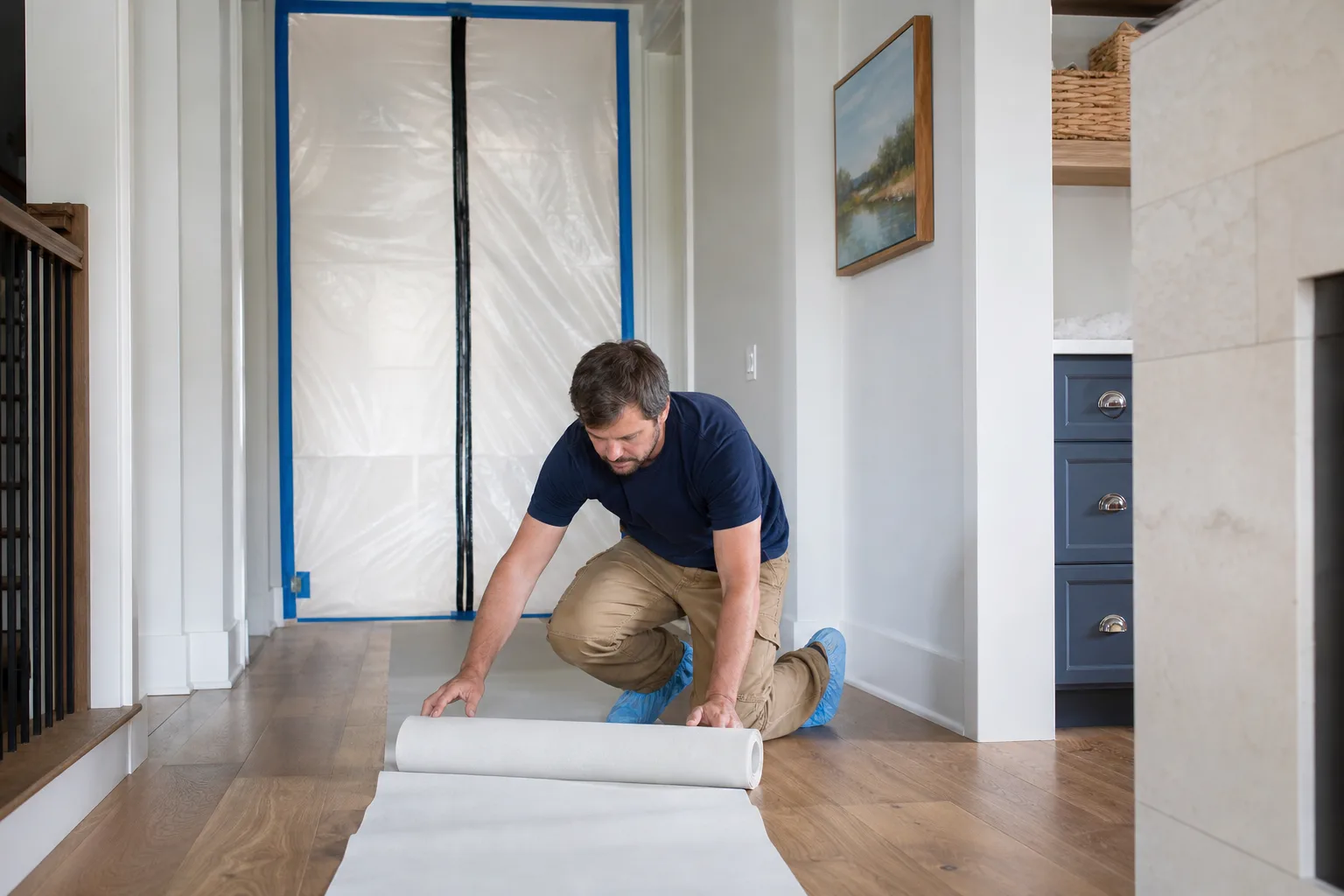
- Protect what stays. If any fixtures are being kept, wrap and seal them. Cover adjoining rooms with drop cloths or plastic to contain dust.
- Demo the safe surfaces. Remove vanity, toilet, and existing tile if the specialist has confirmed the demolition is safe to do yourself. Never remove tile or flooring that might reveal a plumbing or electrical issue without a plan for how it gets fixed.
- Leave the systems alone. Do not disconnect plumbing or electrical yourself unless the specialist has specifically asked you to. Cap lines and wires are trade work.
- Remove debris. Haul old materials and fixtures to the curb or a disposal bin. This is the most time-consuming part of demo and the most common reason homeowners want to hire it out anyway.
The result is a lower labor bill on the parts of the job that were always DIY-safe, and a licensed professional handling the parts that require one. It’s a fair trade, and it respects the actual legal line in North Las Vegas rather than pretending it doesn’t exist. If your shower is the part being replaced, a Whitney area specialist can walk you through which portions of the demolition are safe to take on.
How North Las Vegas Conditions Shape Bathroom Work
North Las Vegas has a specific set of conditions that affect bathroom work in ways that don’t apply everywhere. The desert climate means the air is dry most of the year, which helps with some things and hurts with others.
On the positive side, dry air means shower enclosures and walls dry out faster between uses, which reduces the day-to-day humidity load on wet areas compared to a humid climate. That’s a real advantage for a well-built shower. But it also creates a false confidence: because the bathroom feels dry, moisture problems behind the tile don’t telegraph themselves the way they would in a wetter climate. Water that gets past the waterproofing doesn’t announce itself. It just sits in the substrate and rots.
The bigger climatic factor is water itself. Southern Nevada’s water is famously hard, and hard water drives scale buildup on fixtures, glass, and showerheads faster than soft water does. That’s a fixture-durability question as much as a cleaning question: choosing fixtures that hold up to hard water matters here more than it might elsewhere. Finishes that resist corrosion and interior parts that don’t scale up as quickly are worth the investment in this market.
Housing stock matters too. Parts of North Las Vegas have a substantial share of homes built in the 1990s and 2000s, where original bathrooms are now reaching the end of their useful life for both fixtures and tile. A bathroom that was fine in 2000 often needs more than a cosmetic refresh in this market, and the plumbing behind the wall has to be checked before assuming the visible work is the whole job.
Permit-wise, the City of North Las Vegas enforces building code requirements for bathroom and plumbing work consistently. There’s no shortcut just because the work is small. That’s a good thing for the market, even if it adds friction to the DIY path.
How to Choose a Bathroom Specialist
If you’re going pro, the choice of who does the work matters as much as the decision to hire. A generalist contractor who rotates across kitchens, roofing, and bathrooms will have less specific knowledge than a specialist who works on bathrooms daily.
What to look for:
- A bathroom-only focus. A specialist whose entire business is bathrooms – full remodels, walk-in showers, and tub-to-shower conversions – has done the same work enough times that the details are second nature.
- Real fixture choices. Ask which brands they work with. You want to hear names you can research, like Kohler or Sterling for value and quality, rather than house-brand substitutes. A specialist who can offer entry-level through luxury options is offering real choice.
- Waterproofing expertise. Ask specifically how they handle waterproofing behind tile. Schluter Systems is a name you can ask about by name; any bathroom specialist should have a clear answer for how the shower is sealed.
- Clear scope and written estimates. A fixed price with a written line-item estimate and no change orders once work begins is a sign of a disciplined operation.
- Permits and inspections. Ask directly whether they pull permits and coordinate inspections. A bathroom specialist that skips permits is asking you to absorb the risk.
- Licensing and insurance. State-licensed, insured, and bonded is the baseline. Ask for proof before signing.
For homeowners in the North Las Vegas area comparing specialists, bathroom remodeling services should also be able to walk you through tub-to-shower conversion as a core offering, not an add-on, if accessibility or a lifestyle upgrade is part of your plan.
Common Mistakes to Avoid
- Skipping the permit to save time. In North Las Vegas, unpermitted plumbing and electrical work can follow a home into resale and complicate insurance claims. The time saved isn’t worth the exposure.
- Treating waterproofing as optional behind tile. Waterproofing is the invisible part of a shower build, and it’s the part that fails first if skipped. A shower that looks great can be failing behind the wall within a year.
- Choosing fixtures by looks alone. A cheap faucet or showerhead costs more over time when it scales up in hard water or wears out in a few years. Fixture-grade matters in this climate.
- Assuming DIY saves money without checking the warranty requirements. Many fixture warranties require professional installation. A warranty denied because you installed it yourself is a total loss on that fixture.
- Hiring a generalist who does bathrooms as a side job. Bathroom-only specialization matters because the details – waterproofing, code, fixture fit – are the whole job.
- Not asking about permit coordination. If a contractor says “we don’t pull permits for that,” that’s a warning sign. Make sure permits are part of the scope.
- Demolition without a plan for the hidden work. Removing tile or flooring before a specialist has looked at what’s underneath can reveal a bigger problem with nothing set up to handle it.
When to Call a Professional
Call a professional when your project touches anything behind the wall. Moving a drain, adding an exhaust fan circuit, waterproofing a new shower, or converting a tub to a shower are all tasks that require a licensed trade, and in North Las Vegas the permit and inspection requirements aren’t optional. Call us when you want the fixture selection to be real, with a portfolio that runs from Sterling-level value to Grohe-level luxury. Call us when you want the waterproofing done to a professional standard so the install lasts beyond day one. Bathroom Remodeling North Las Vegas offers free estimates in North Las Vegas – call (844) 834-0636. We answer 24/7. Fast dispatch from 7am to 7pm, Sunday through Friday.
Frequently Asked Questions
Partially, yes. Nevada law allows homeowners to perform certain work on their own primary residence, and cosmetic tasks like painting, hardware swaps, and demolition don’t require a licensed contractor. Anything that requires a building permit – moving plumbing, adding electrical circuits, waterproofing a new shower pan – generally needs a licensed trade. The permit triggers the requirement, not the homeowner’s skill. Call (844) 834-0636 for an exact quote on the professional portion – estimates are free.
Costs vary widely based on scope, fixtures, and whether the plumbing or electrical is moving, and they’re best estimated per job with a written line-item quote. A cosmetic refresh and a full gut remodel with new waterproofing, tile, and fixtures are entirely different projects. The written estimate sets the final price, and we don’t do change orders once work begins. Call (844) 834-0636 for an exact quote – estimates are free.
No, not when the estimate is written properly. A fixed-price estimate with line items for each part of the job means the price is the price. What can change scope is discovering hidden damage once walls are open, which is why a professional walkthrough before the estimate is written matters. Call (844) 834-0636 for an exact quote – estimates are free.
Yes. Permits for plumbing, electrical, and structural changes are pulled by the licensed professional doing the work, and inspections are coordinated as part of the project. A bathroom specialist that skips permits is passing risk to you. Call (844) 834-0636 for an exact quote – estimates are free.
Timeline depends on scope. A cosmetic update and a full remodel with new plumbing, waterproofing, and tile are on different schedules, and permit inspections add time to any project that requires them. The written estimate will include the expected schedule for your specific project. Call (844) 834-0636 for an exact quote – estimates are free.
Yes, in many cases. Demo is one of the genuinely DIY-safe portions of a bathroom remodel, and handling it yourself can lower the labor cost of the project. The line to respect is that nobody disconnects plumbing or electrical before the specialist says it’s safe. Call (844) 834-0636 for an exact quote – estimates are free.
The Bottom Line
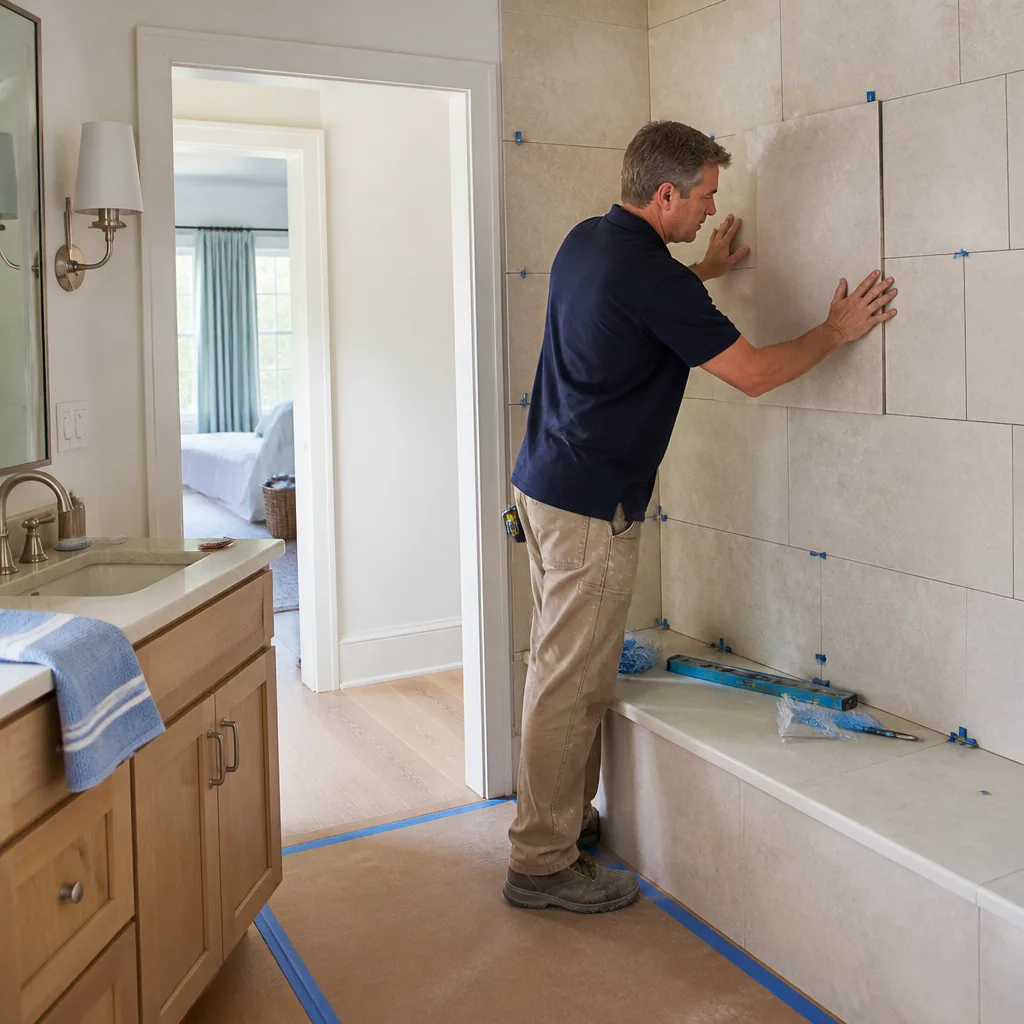
The DIY-versus-professional question in North Las Vegas is really a set of task-level decisions, not a lifestyle choice. Cosmetic work is yours to do, and doing it well can lower the cost of a professional project. Anything that touches plumbing, electrical, or the waterproofing behind the tile is where the legal and financial exposure starts, and in a desert climate those failures hide quietly until they’re expensive. A bathroom specialist brings fixture sourcing from real brands, waterproofing expertise, permit coordination, and warranty registration that a DIYer can’t replicate. Get a free written estimate before you commit to either path.
Written by the team at Bathroom Remodeling North Las Vegas.
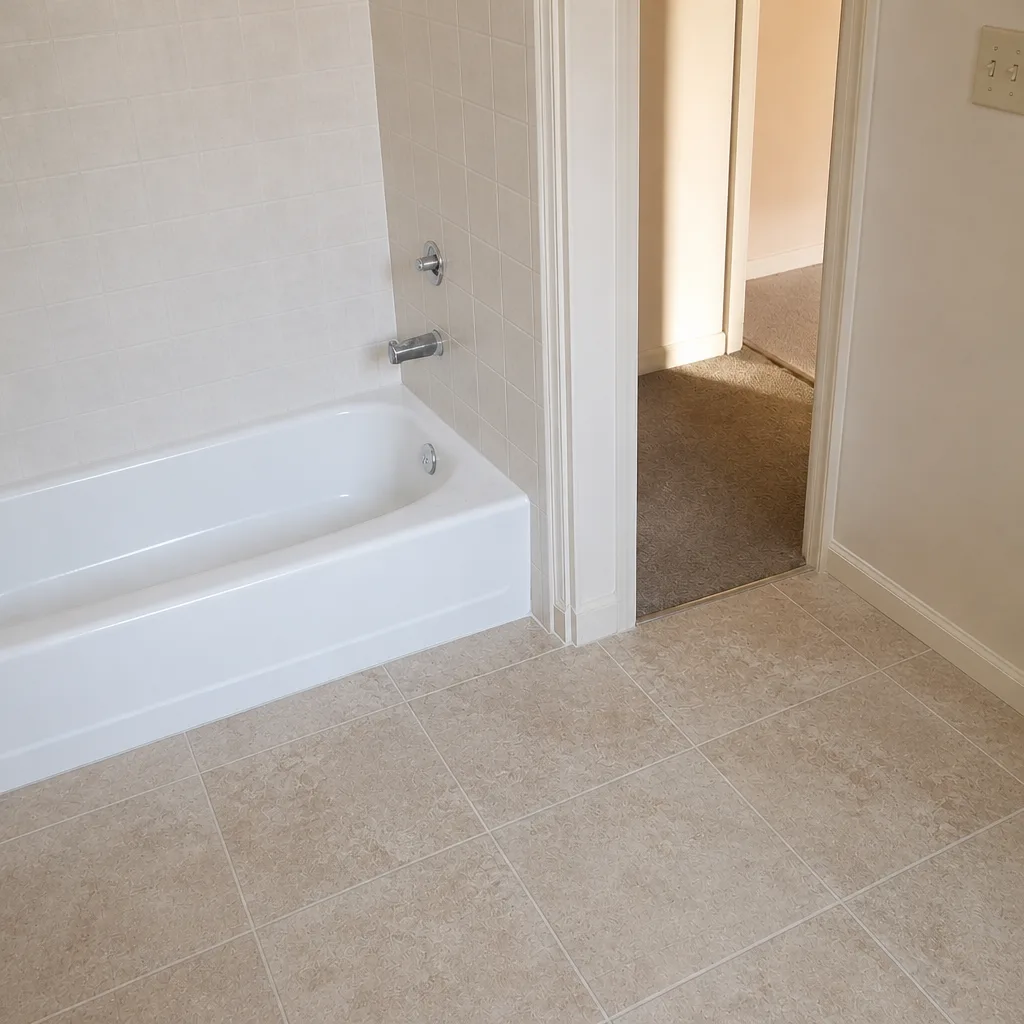
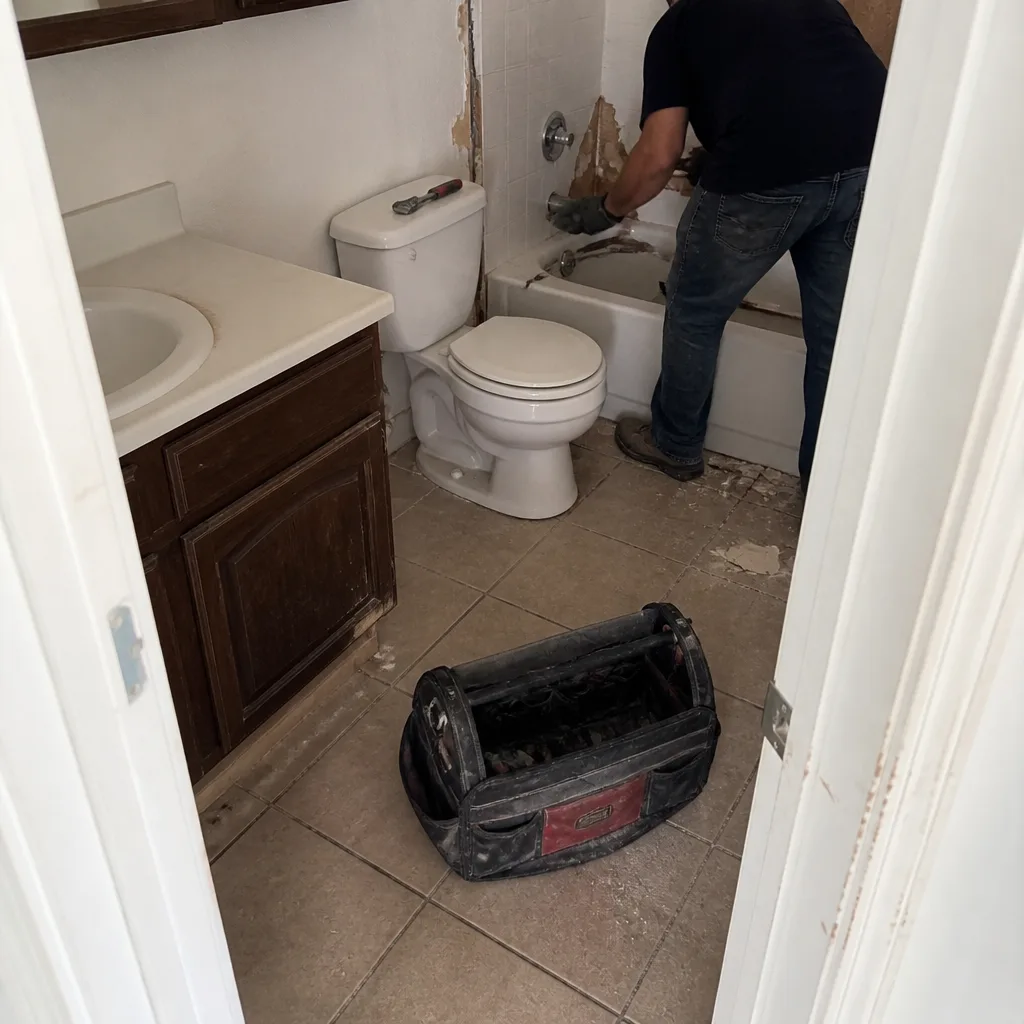
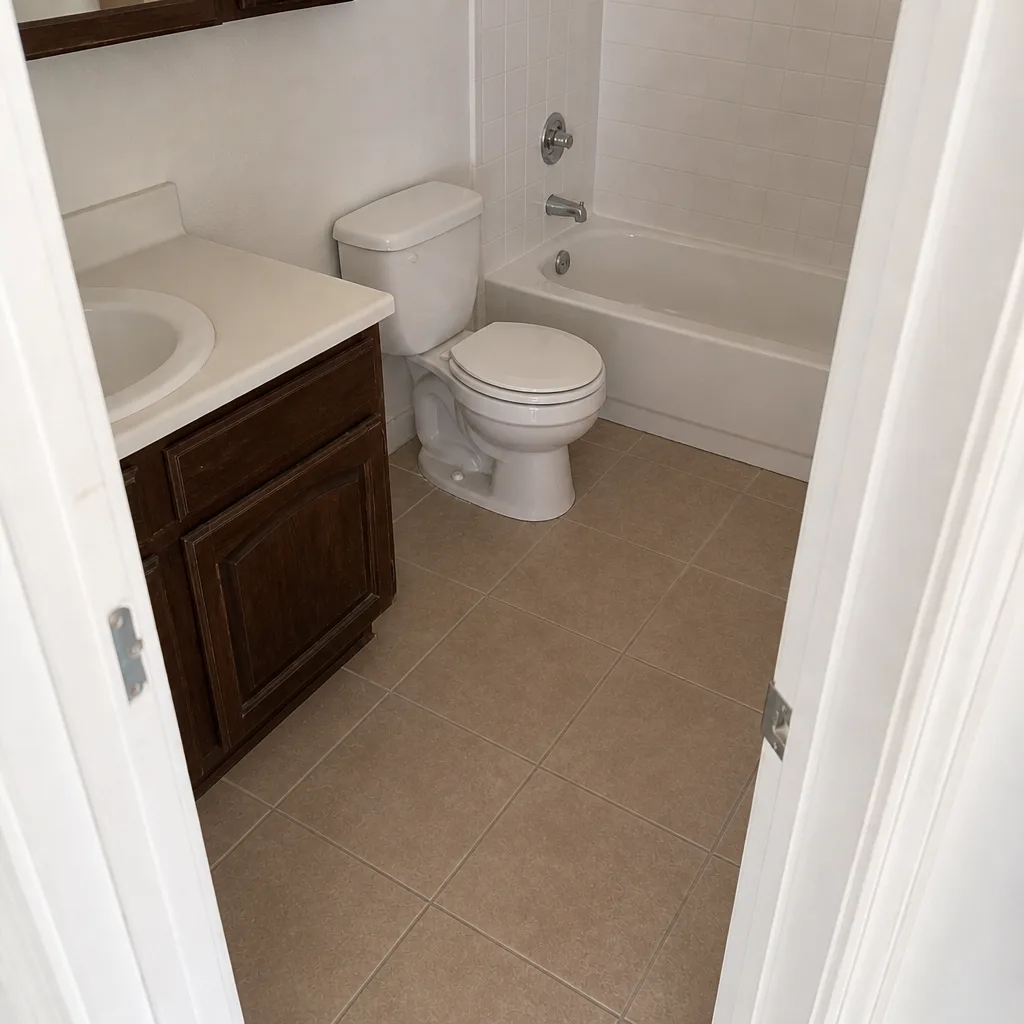
See the difference
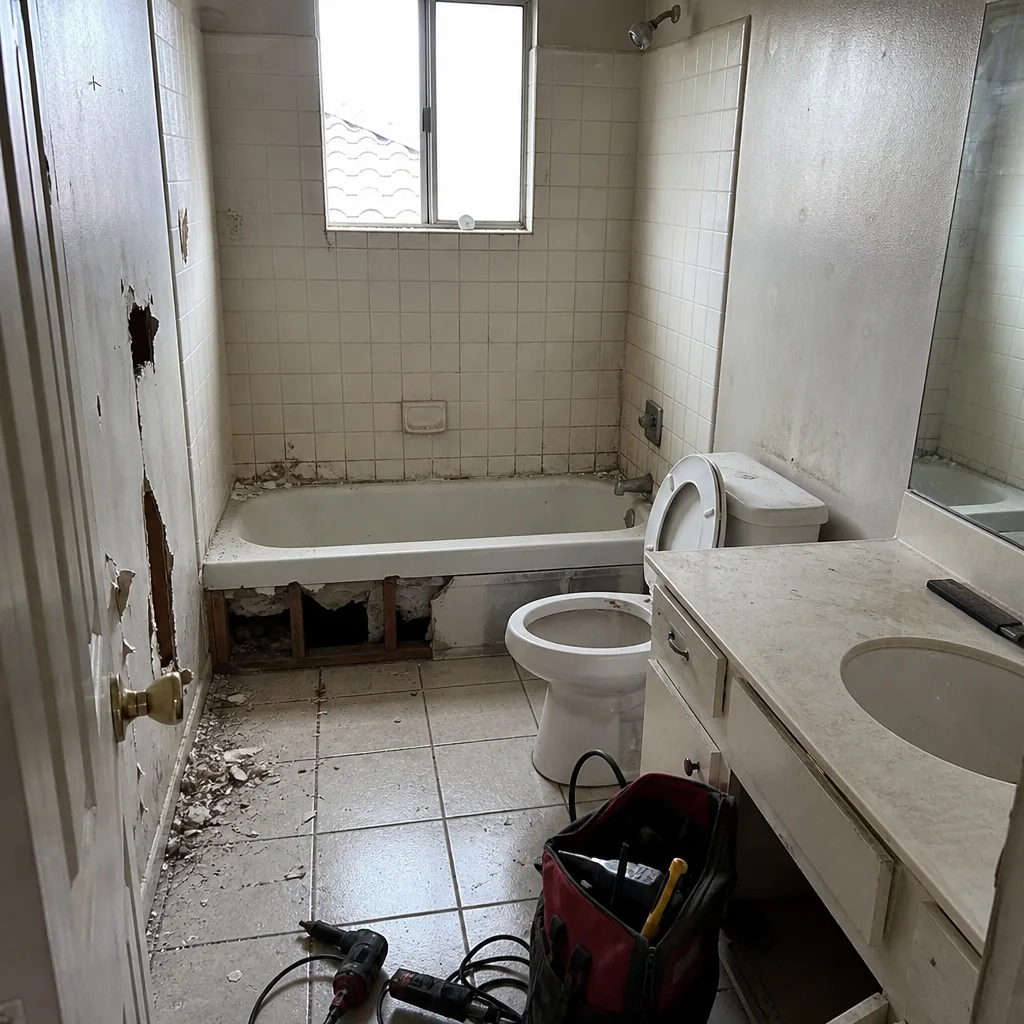 Before
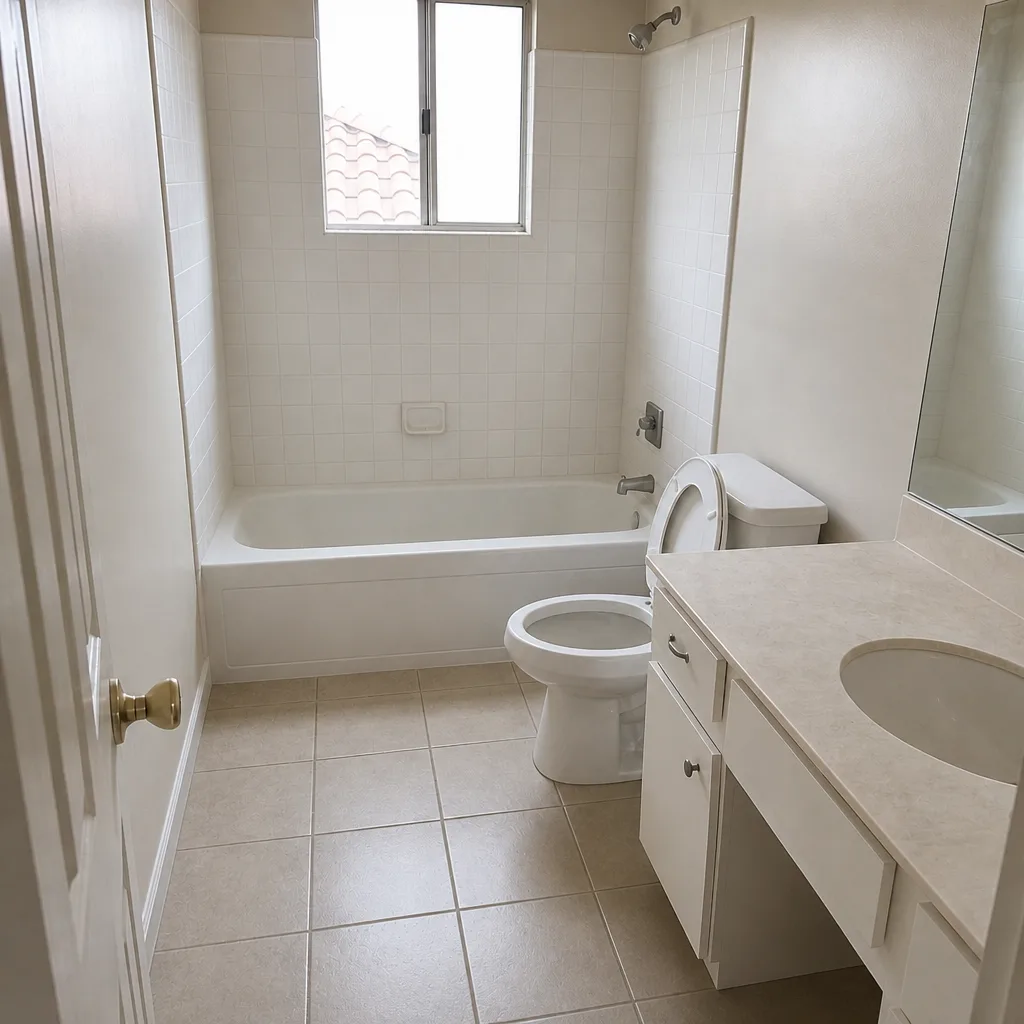 After
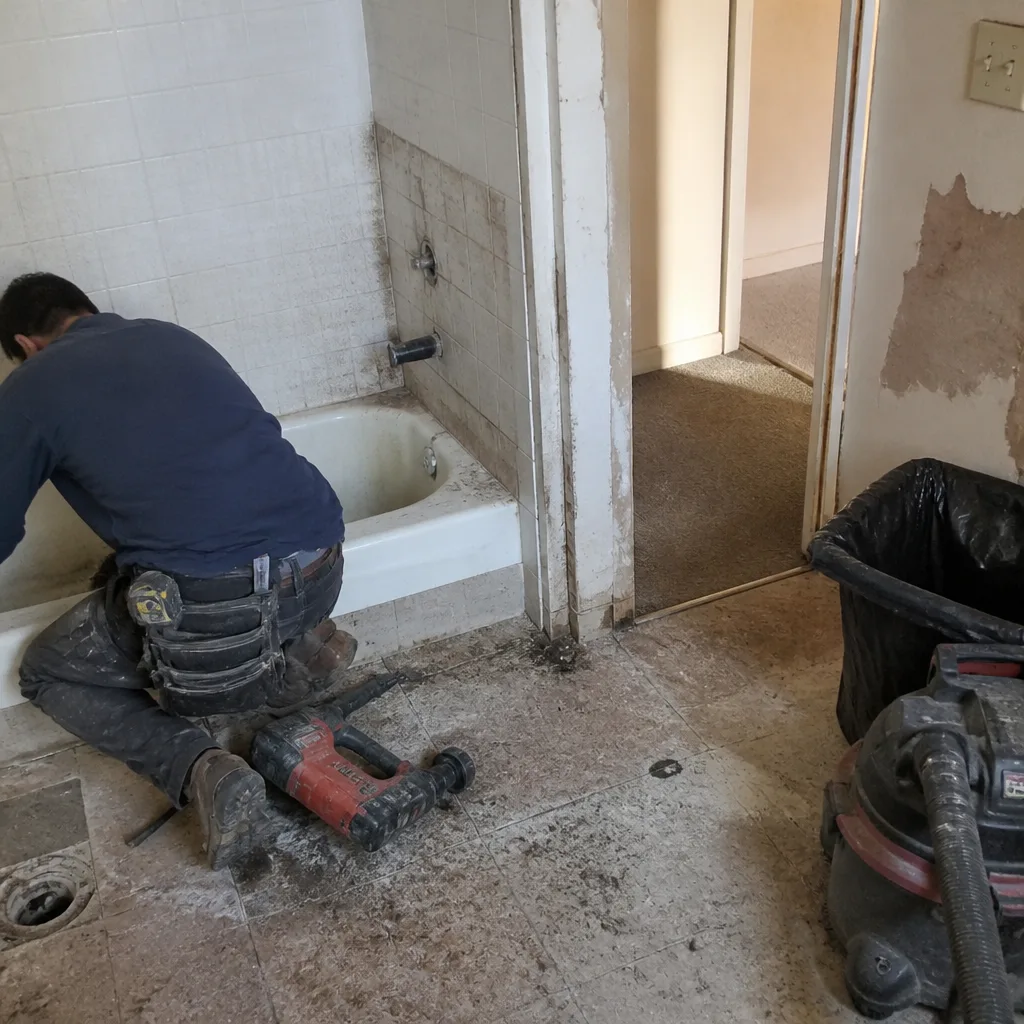 Before
 After
 Before
 After