Last updated November 18, 2026
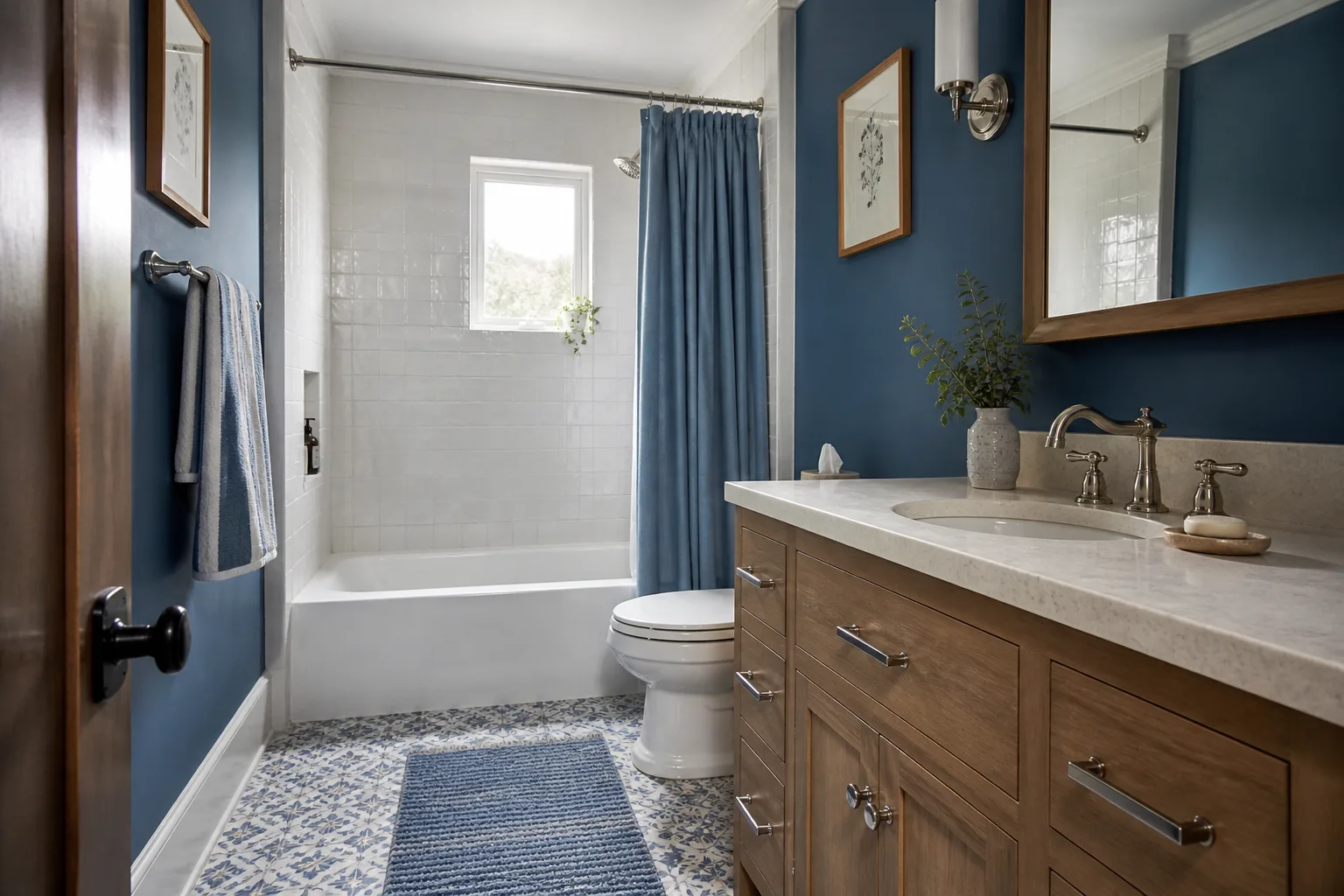






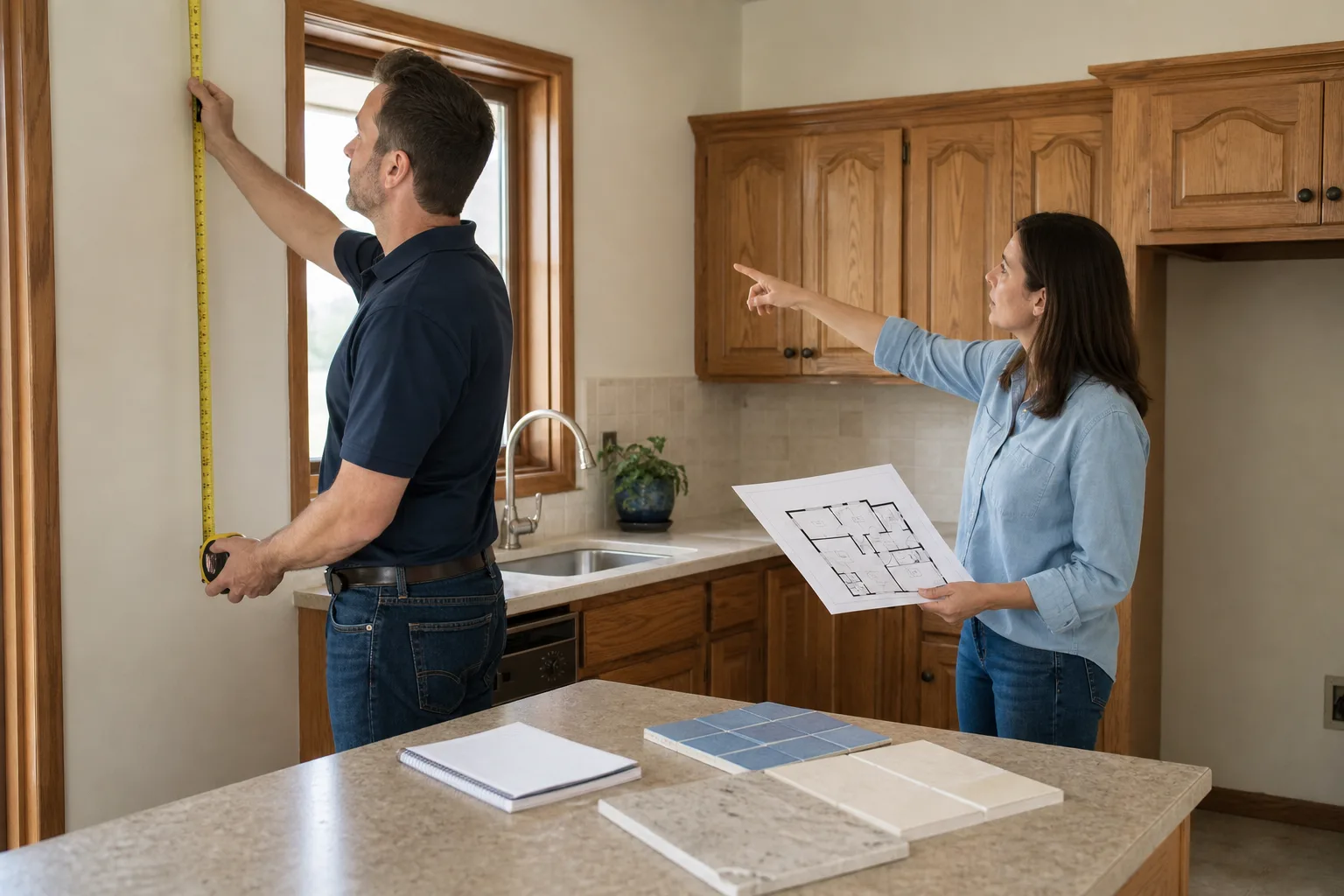
Free in-home design visit - walk-in showers, tub-to-shower conversions, and Kohler, Moen, and Delta fixtures planned to your exact space
Bathroom Remodeling Permits, Codes & Inspections in North Las Vegas, NV: What You Need to Know
Here is the part of a bathroom remodel that surprises people most: your insurance company cares more about your paperwork than your tile. A bathroom rebuilt without permits is still a working bathroom. It’s also a room your homeowner’s policy may treat as an uninsured risk, because carriers can deny a water-damage claim that traces back to work that was never inspected or approved. That’s not a scare tactic. It’s the practical reason so many North Las Vegas homeowners end up chasing permits after the fact. This guide walks through which bathroom projects need a permit in North Las Vegas, how the different permit types work, what inspectors actually look at, and how to confirm a contractor pulled permits before the first tile is set.
Quick Answer
In North Las Vegas, any bathroom remodel that moves plumbing, adds or relocates electrical, changes walls or framing, or alters the mechanical system needs a permit. Cosmetic work like paint, a vanity swap that reuses existing connections, or replacing a faucet generally does not. North Las Vegas issues its own permits under its municipal code amendments layered on top of Nevada’s statewide building codes, so a project approved in unincorporated Clark County can still run into different requirements inside city limits. Always confirm the scope with the North Las Vegas Building Division before work begins.
Styles & brands we work with
- Walk-in shower
- Tub-to-shower
- Freestanding tub
- Kohler
- Moen
- Delta
- Frameless glass
Table of Contents
- Which bathroom projects need a permit in North Las Vegas?
- Building, plumbing, and electrical permits explained
- How to verify your contractor pulled permits
- What inspectors check: rough-in versus final
- Waterproofing, Schluter, and why inspectors care
- What happens if you skip permits
- How North Las Vegas climate affects bathroom work
- Common mistakes to avoid
- When to call a professional
- Frequently asked questions
Which bathroom projects need a permit in North Las Vegas?
The honest answer is that it depends on what you’re touching, not on how big the project looks. A full gut remodel and a single fixture swap can look equally disruptive on demo day, but only one of them crosses the permit threshold. Here’s how we break it down for homeowners planning a project in North Las Vegas:
Work that requires a permit
- Relocating or adding a drain, supply line, or vent. Any change to the rough plumbing footprint needs a plumbing permit.
- Adding a new electrical circuit, moving a GFCI outlet, installing heated floors, or adding a vent fan tied to a new duct run. That’s electrical or mechanical permit territory.
- Removing or adding interior walls, changing door openings, or altering framing, which falls under a building permit.
- Converting a tub to a walk-in shower when the drain location moves or the shower pan is built new. This is one of the most common permit projects we see, and it’s also one of the most frequently skipped by contractors trying to save time.
- Adding a window, changing its size, or altering exterior walls.
Work that’s typically exempt
- Painting, tiling over an existing substrate, or replacing a vanity that reconnects to existing plumbing in the same location.
- Swapping a faucet, showerhead, or toilet within the existing rough-in.
- Replacing a light fixture where the wiring and box stay put.
- Cosmetic changes: mirrors, hardware, accessories.
Here’s where North Las Vegas differs from some neighboring jurisdictions: the city enforces its own municipal amendments on top of the state code, and those amendments can affect things like venting details, shower pan construction, and inspection sequencing. What passes an inspection in unincorporated Clark County isn’t automatically approved inside North Las Vegas. Before work starts, confirm the scope with the city’s Building Division directly. That five-minute call can save a month of rework.
Building, plumbing, and electrical permits explained
A full bathroom remodel in North Las Vegas often requires three separate permits, sometimes more. Homeowners who assume one permit covers everything are the ones who end up red-tagged mid-project. Here’s the difference:
Building permit
Covers structural changes: framing, wall removal, door and window changes, and sometimes shower pan construction depending on the scope. Pulled through the city’s building department. This is the “master” permit that often triggers the others as sub-permits.
Plumbing permit
Covers any change to water supply, drain, waste, or vent lines. A tub-to-shower conversion almost always requires a plumbing permit because the drain location and shower pan drain assembly change. A simple toilet swap in the same spot usually does not.
Electrical permit
Required whenever you add a circuit, relocate outlets, install a heated floor mat, or upgrade a bathroom vent fan. Bathrooms have specific GFCI requirements under code, and inspectors check them closely. Adding a Toto bidet seat or a heated towel bar means new electrical work, so plan for the permit.
Mechanical permit
Covers exhaust fan installation or duct changes, which most bathrooms need for proper humidity control. If you’re installing a new fan with a new duct run, budget for this permit separately.
In our experience, the most common scheduling problem happens when a contractor pulls only the building permit and tries to handle plumbing and electrical under a “minor work” exemption. That’s a red flag. Ask specifically which permits your contractor intends to pull before signing anything. A quote that doesn’t distinguish between them is worth questioning.
How to verify your contractor pulled permits
Verification is a five-minute process, and it belongs before work starts, not after. North Las Vegas maintains an online permit portal where you can search by address, contractor license, or permit number. Here’s the numbered sequence we walk homeowners through:
- Ask which permits are being pulled and in what order. A legitimate contractor will answer without hesitation. If they say “we don’t need one for this,” ask them to put that in writing.
- Get the permit number before demo day. Permits are issued in the homeowner’s name or the contractor’s name depending on the arrangement. Either way, you can look it up.
- Search the city permit portal by your address. You should see the active permit, the scope of work, and the inspecting department listed.
- Verify the contractor’s Nevada State Contractors Board license. The license number should appear on your contract and permit application. Use the board’s lookup to confirm status, classification, and complaint history.
- Match the scope on the permit to the scope on your contract. This is the check that catches the most problems. A permit describing “cosmetic tile replacement” when you’re getting a walk-in shower conversion with new plumbing is a paper trail that will bite you later.
- Ask for inspection results as they come in. Rough-in inspections happen before tile and drywall, and the results post to the portal. Request the pass confirmation each time.
This level of verification is standard for a bathroom specialist, and it’s why we only take on bathroom work in North Las Vegas. Our technicians have up to 9 years of experience and know the local permitting rhythm. Call (844) 834-0636 for a free estimate. We answer 24/7. Fast dispatch from 7am to 7pm, Sunday through Friday.
What inspectors check: rough-in versus final
North Las Vegas bathroom inspections happen in two main phases, and each has distinct requirements. Missing the rough-in stage is the most expensive inspection mistake we see, because tile and drywall have to come back out to re-expose what the inspector needs to see.
Rough-in inspection (before tile and drywall)
At this stage, everything behind the surface is exposed. Inspectors check:
- Drain slope and the P-trap assembly, verifying they meet code for waste removal.
- Vent configuration: the pipe that carries sewer gas out of the fixture must be sized and routed correctly.
- Water supply line protection and pressure testing.
- Electrical rough-in: box placement, wire gauge, and GFCI provisions near wet zones.
- Framing, if walls were altered, including header and stud spacing.
- Shower pan and waterproofing substrate before tile. This is where Schluter Systems waterproofing details matter. Inspectors look for proper waterproofing on the wet side, not just a membrane slapped on afterward.
- Exhaust fan and duct run.
Final inspection (after surfaces are finished)
- Fixture installation and water flow at every tap and shower head.
- GFCI outlet functionality, tested in person.
- Exhaust fan operation and venting termination at the exterior, not into an attic.
- Tile work around the shower pan, verifying the waterproofing wasn’t punctured during install.
- Smoke and carbon monoxide detector placement if the room required new circuits.
- Access panels for plumbing valves that need future service.
We schedule inspections as each phase completes, not after the whole job is done. That’s a scheduling habit specialists learn to build into the calendar. Skipping ahead to final is the fastest way to get a project locked up for weeks.
Waterproofing, Schluter, and why inspectors care
Of all the elements behind the tile wall, waterproofing is the one that draws the most scrutiny at rough-in. In North Las Vegas, where interior humidity is naturally low but shower steam concentration is high, a properly built shower pan and waterproofed substrate is what stops water damage in its tracks. That’s why we build all shower installs with Schluter Systems waterproofing details on the wet wall and shower pan.
Here’s what that looks like in practice, and why inspectors look for it:
- Bonded waterproofing membrane applied directly to the substrate, not just a plastic vapor barrier stapled behind cement board. The membrane becomes part of the structure and holds up when framing shifts.
- Pre-formed shower pan assembly that drains correctly at every slope, eliminating the low spots where water pools and grows mold.
- Waterproofed curb and threshold so water can’t creep under tile and out into drywall or subfloor.
- Sealed penetrations at the shower valve, drain, and any body spray or niche.
What passes a rough-in inspection isn’t necessarily what lasts 15 years. Our standard is the second one, and Schluter waterproofing is part of how we meet it. An American Standard tub or a Toto shower fixture gets the attention, but the waterproofing behind the tile is what determines whether that fixture still looks right a decade from now. Homeowners who want to understand the difference between a code-compliant install and a durable one benefit from asking their contractor exactly which system they plan to use behind the tile. If they can’t answer, that’s your cue to look elsewhere.
What happens if you skip permits
Skipping permits is the most common shortcut in bathroom remodeling, and in North Las Vegas the consequences show up in three places that most homeowners don’t think about until they need them.
1. Insurance coverage
Most homeowner’s policies include language that excludes or limits coverage for water damage originating from unpermitted work. If a shower pan fails and water runs into the subfloor or the unit below, the claim can be denied or the payout reduced. The cost of the damage can exceed the entire cost of a remodel. This is the consequence we hear about most often, and it always surfaces at the worst possible time.
2. Resale disclosure
Nevada requires a seller’s real property disclosure. If a bathroom remodel was completed without permits, that fact has to be disclosed, and buyers’ inspectors frequently find it. A buyer’s lender may refuse to finance a property with unpermitted plumbing or electrical work for a bathroom the buyer is paying for. Deals fall apart on this.
3. Refinancing and appraisal
Refinance appraisers and underwriters pull permit history. A bathroom remodel added to your home’s value is worth more when it’s documented. Without permits, the appraiser may not credit the work, and the underwriter may flag it as a risk on the loan.
Pulling permits up front costs a modest fee relative to the remodel. The cost of skipping them is measured in denied claims, delayed closings, and in the worst cases, mandated demolition of work that was done without approval. We walk through this with every homeowner before signing because we want the paperwork to be as clean as the tile job. If a bathroom project is on your list, we’ve built guides to bathroom remodeling and to walk in shower installation that walk through the process in the same detail.
How North Las Vegas climate affects bathroom work
North Las Vegas is dry for most of the year, and that changes what inspectors and contractors watch for compared to wetter climates. Some of the specific ways local climate shapes bathroom work:
- Low humidity keeps grout and caulk drier, but the shower interior is still the wettest place in the home. The waterproofing behind the tile matters more here than the sealant in front of it. Cracks in caulk dry out rather than rot, which can make a failing shower pan harder to spot early.
- Sudden monsoon-season moisture during July and August can stress less well-built exterior walls and window openings, especially in bathrooms along exterior walls. Any window replacement or wall alteration should account for water intrusion during these seasonal storms.
- HVAC and air sealing matter. Bathrooms in North Las Vegas homes with certain HVAC configurations need a properly vented exhaust fan to move humidity outside. A fan that terminates in the attic, which is a common short cut, can create moisture problems in the attic that show up as condensation on framing.
- Foundation and slab considerations. Much of North Las Vegas is built on slab, and moving a drain in a slab-on-grade bathroom means cutting through the slab. That’s a bigger job than the same move in a crawlspace home, and it triggers the plumbing permit plus a possible re-inspection of the patched slab.
- Summers are hot enough that contractors who stage outdoor work differently on East Coast projects need to adjust. Drywall and mortar need to cure in climate-controlled space, so interior work doesn’t begin until the space is climate-conditioned.
None of this is exotic. It’s the normal rhythm of bathroom work in North Las Vegas, and it’s why a contractor who does remodels in North Las Vegas routinely will flag these details without being asked. Our team works with Whitney homeowners and neighborhoods across the city on layouts that suit the local housing stock.
Common Mistakes to Avoid
- Assuming “cosmetic” covers plumbing changes. A tub-to-shower conversion is not cosmetic. It changes the drain, the pan, and likely the wall layout. If the project involves moving a fixture, assume it needs a plumbing permit until confirmed otherwise.
- Pulling only the building permit. A surprising number of remodeling contractors cut corners by not pulling plumbing and electrical sub-permits. Ask specifically which permits are being filed, and verify each one on the portal.
- Starting demo before the permit is issued. In North Las Vegas, starting work without an issued permit can force a stop-work order and delay the project by weeks. It also complicates the inspection sequence because the rough-in stage is already gone.
- Skipping rough-in inspection to “save time.” Inspectors need to see the plumbing, electrical, and waterproofing before tile goes on. If they don’t, the tile comes back off. Schedule the rough-in inspection before any tile work begins.
- Venting the exhaust fan into the attic or a wall cavity. This is one of the most common defects we see, and it’s a local moisture problem waiting to happen. Exhaust must terminate at the exterior of the home.
- Choosing a contractor who doesn’t know North Las Vegas specifically. Nevada state code is a baseline, but North Las Vegas adds its own municipal amendments on top. A contractor whose experience is in neighboring jurisdictions may not know which details the city’s inspectors flag.
- Treating permits as paperwork, not as documentation. Your permit history is part of your home’s resale package. A clean permit trail raises your home’s documented value and removes a question mark for future buyers.
- Skipping the written scope-of-work comparison. The permit application should describe the same scope as your contract. If it doesn’t, you’ve created a paper trail that will cause problems later.
When to Call a Professional
Some bathroom work genuinely doesn’t need a permit or a specialist. Swapping a faucet, replacing a vanity that reconnects to existing plumbing, and cosmetic updates are homeowner jobs. But when the work touches plumbing, electrical, framing, or the shower pan, the risk climbs quickly. That includes any tub-to-shower conversion, any walk-in shower build, any wall relocation, and any project where a contractor is quoting without mentioning permits at all. The last one is worth a second opinion, because a contractor who glosses over permits will likely gloss over inspection-stage details too.
We’re a bathroom specialist in North Las Vegas with no kitchen or general contracting work on our plate, so every project we take on is one we’ve planned and inspected many times. We work with an eight-brand fixture portfolio, from Sterling to Grohe, so the fixture you want doesn’t require a different contractor. Bathroom Remodeling North Las Vegas offers free estimates in North Las Vegas. Call (844) 834-0636. We answer 24/7. Fast dispatch from 7am to 7pm, Sunday through Friday. Estimates are free, the price is set by the written line-item estimate, and we can work with your insurer on covered projects.
Frequently Asked Questions
Yes, any bathroom remodel that changes plumbing, electrical, framing, or the mechanical system requires a permit in North Las Vegas. Cosmetic work like paint, tile replacement over an existing substrate, or a like-for-like faucet swap typically doesn’t. When in doubt, confirm the scope with the North Las Vegas Building Division before starting work. Call (844) 834-0636 for a free estimate that spells out which permits are needed for your project.
Permit fees vary based on project scope and the value of the work being permitted. A full bathroom remodel with plumbing, electrical, and building permits will cost more than a walk-in shower install that only needs a plumbing permit. The city sets the fee schedule, and your contractor should include permit costs as a line item in the written estimate so there are no surprises. Call (844) 834-0636 for an itemized quote that includes permit fees.
Sometimes, but it’s a bad plan. Retrofitting permits after demo begins means the rough-in inspection might be missed, which can force tile removal to re-expose the plumbing and waterproofing. North Las Vegas can issue a stop-work order on unpermitted work, and restarting after the fact adds weeks to the project. Verify the permit is issued before demo day, not after. Call (844) 834-0636 for a crew that files permits up front.
At rough-in, North Las Vegas inspectors check drain slope and venting, water supply line protection, electrical box placement and GFCI provisions, framing details, shower pan construction and waterproofing, and exhaust fan ducting. The inspection happens before tile and drywall close the walls. Failing or missing this stage is the most common cause of delays we see.
Yes, almost always. A tub-to-shower conversion typically requires a plumbing permit because the drain location and shower pan assembly change, and often requires a building permit if walls or framing are altered. Some conversions also need an electrical permit for a new vent fan or lighting. Treat this as a permitted project unless specifically confirmed otherwise. Call (844) 834-0636 to plan your conversion with a bathroom specialist.
Nevada’s seller disclosure requires you to disclose unpermitted work, and buyers’ inspectors frequently find it during due diligence. A buyer’s lender may refuse to finance the purchase, or the buyer may demand a price reduction or retroactive permits before closing. Insurance claims for water damage from unpermitted work may also be denied. Pulling permits up front is far cheaper than resolving it at resale. Call (844) 834-0636 for a free estimate on permitted bathroom work.
The Bottom Line
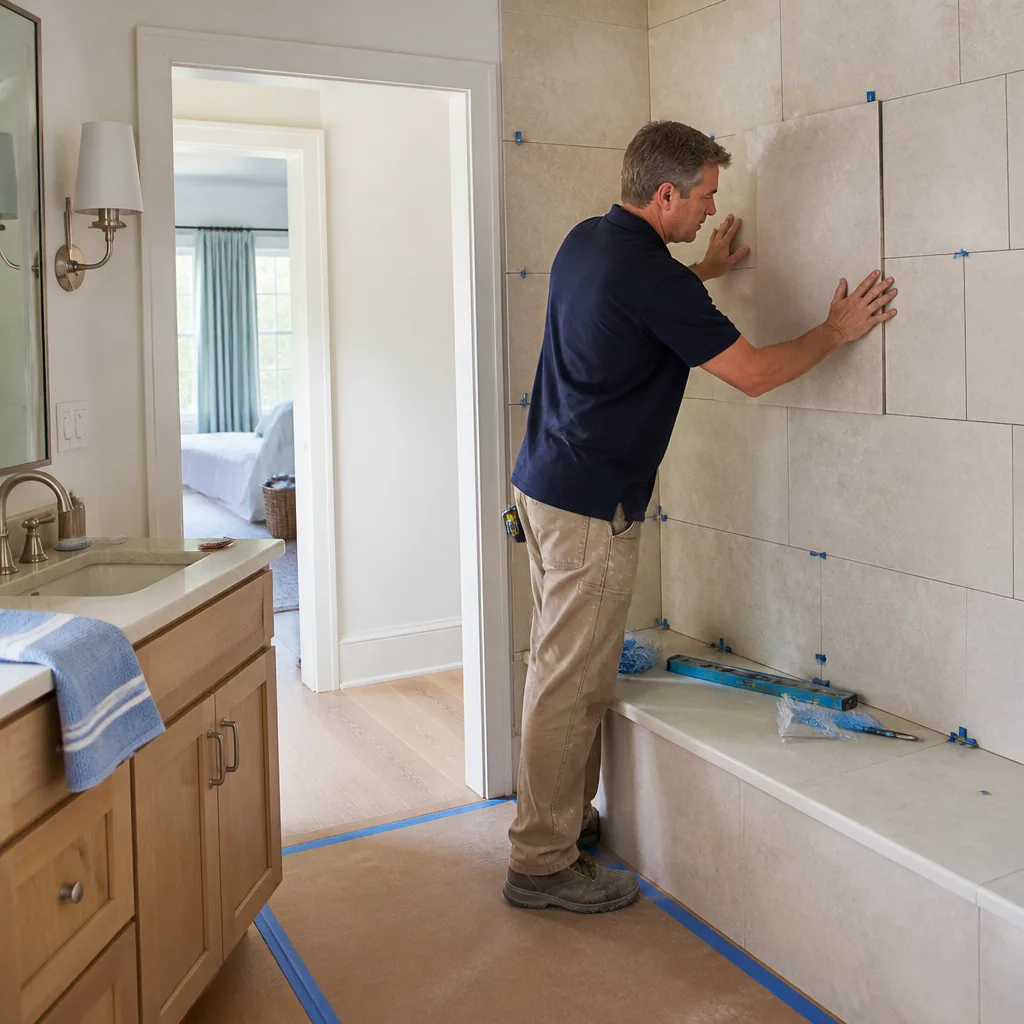
Bathroom permits in North Las Vegas are documentation, not paperwork. They prove that the plumbing, electrical, and waterproofing behind your tile were built to code, and they protect your insurance coverage and resale value. Any project that moves a drain, relocates electrical, changes walls, or converts a tub to a shower needs a permit. A contractor who pulls permits up front, verifies them with you before demo, schedules rough-in inspections before tile, and shows you the pass results is doing the work right. Confirm any contractor’s permit plan before you sign anything. The cost is modest. The alternative isn’t. If you’re ready to plan a permit-compliant bathroom in North Las Vegas, call (844) 834-0636 for a free estimate. We answer 24/7. Fast dispatch from 7am to 7pm, Sunday through Friday. Walk through the full range of what we do on our Bathroom Remodeling North Las Vegas page.
Written by the team at Bathroom Remodeling North Las Vegas.
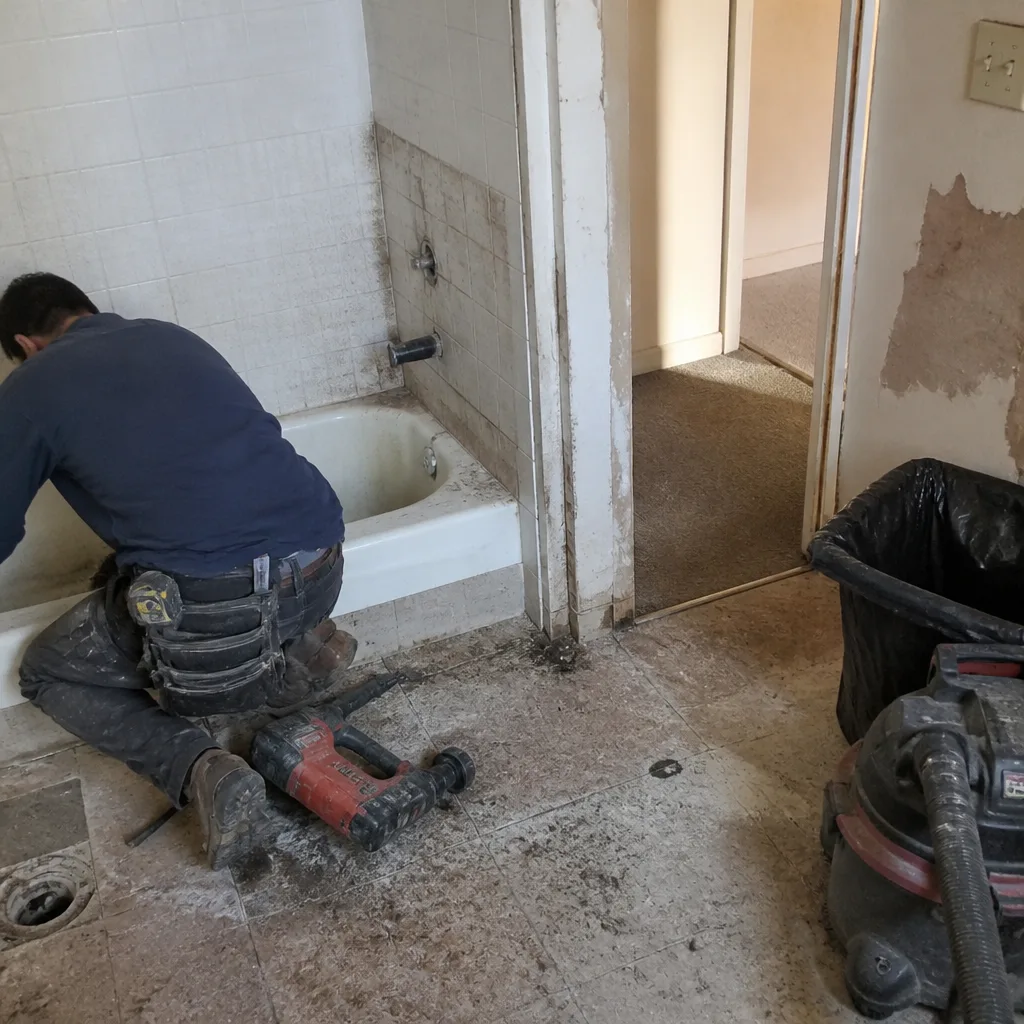
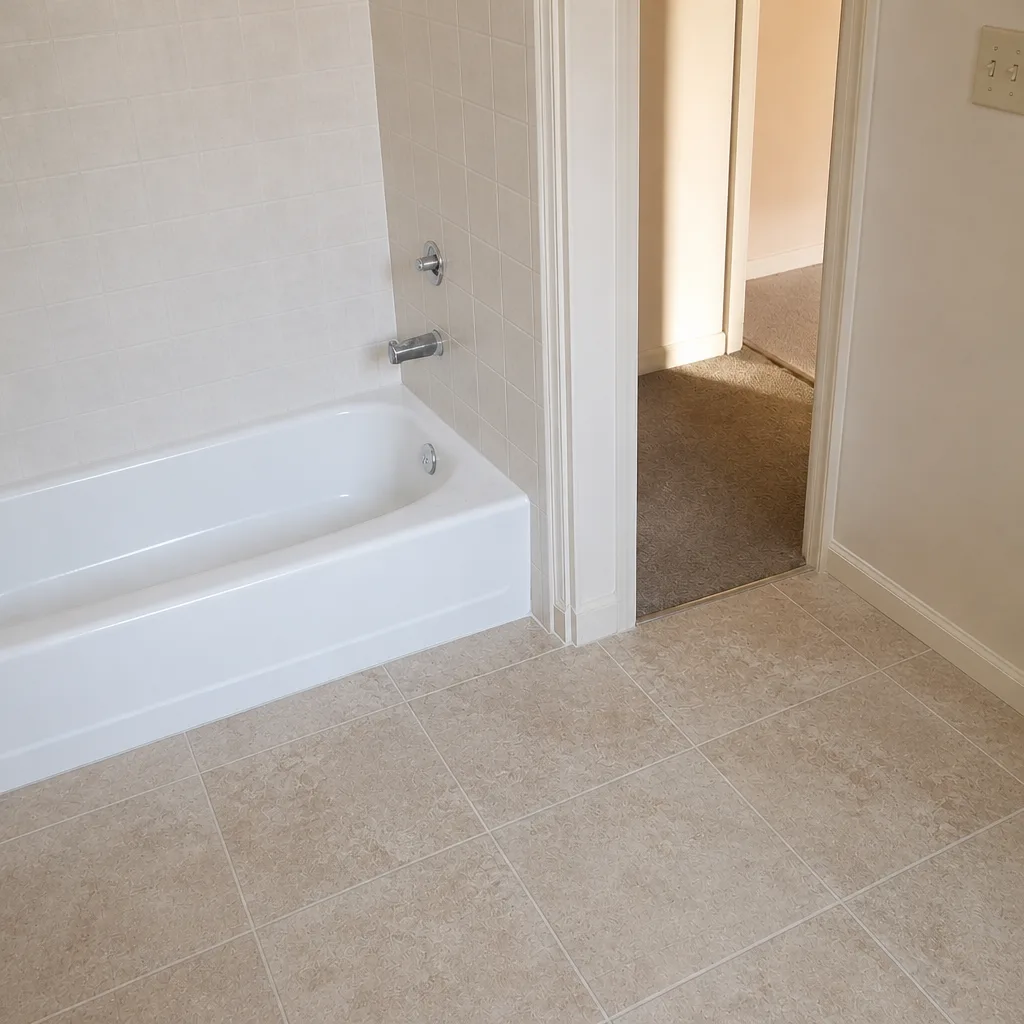
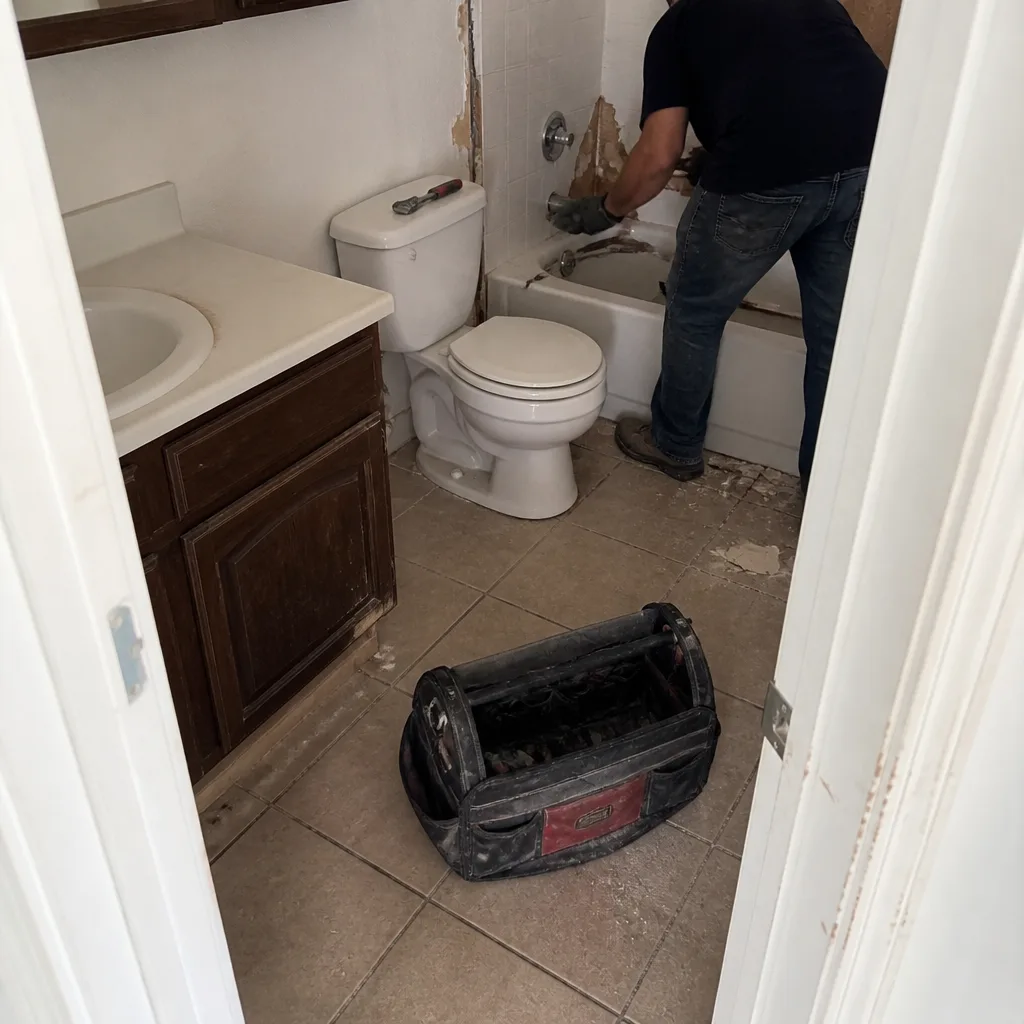
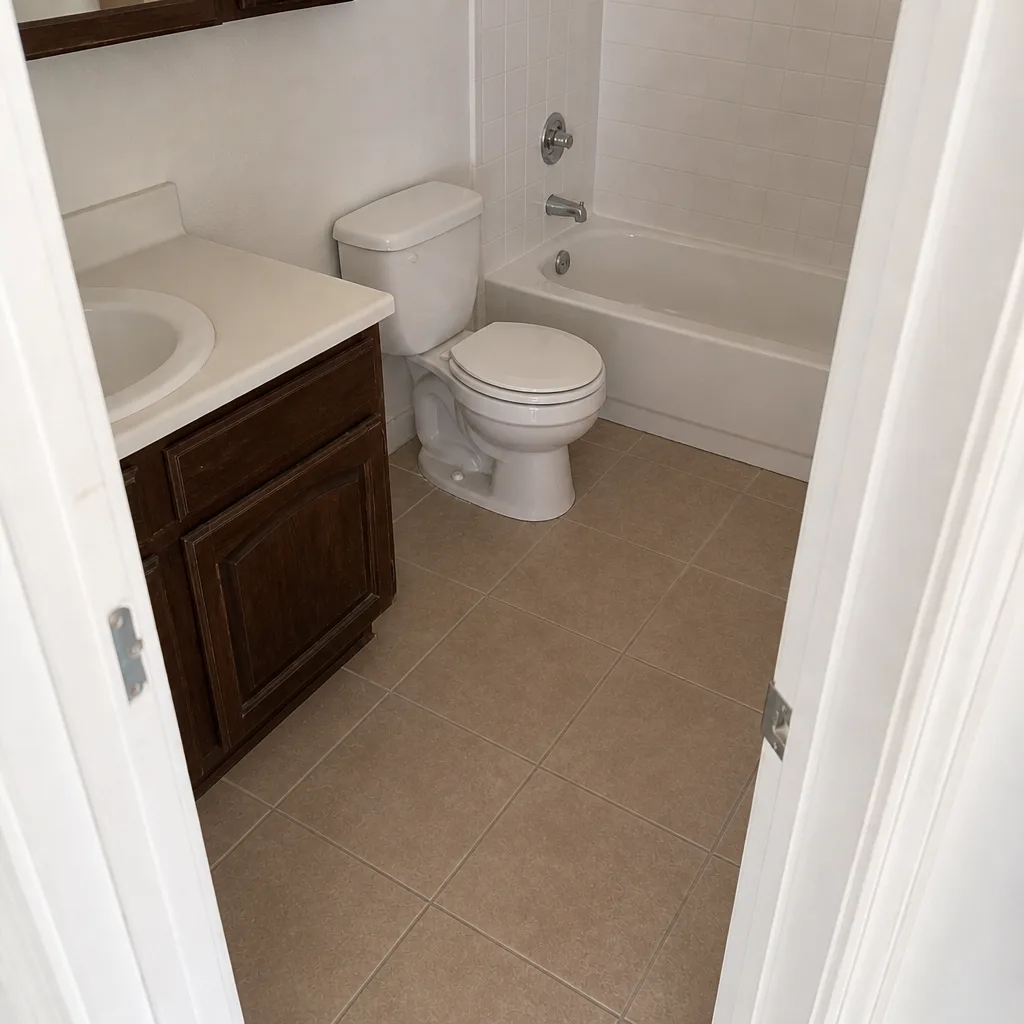
See the difference
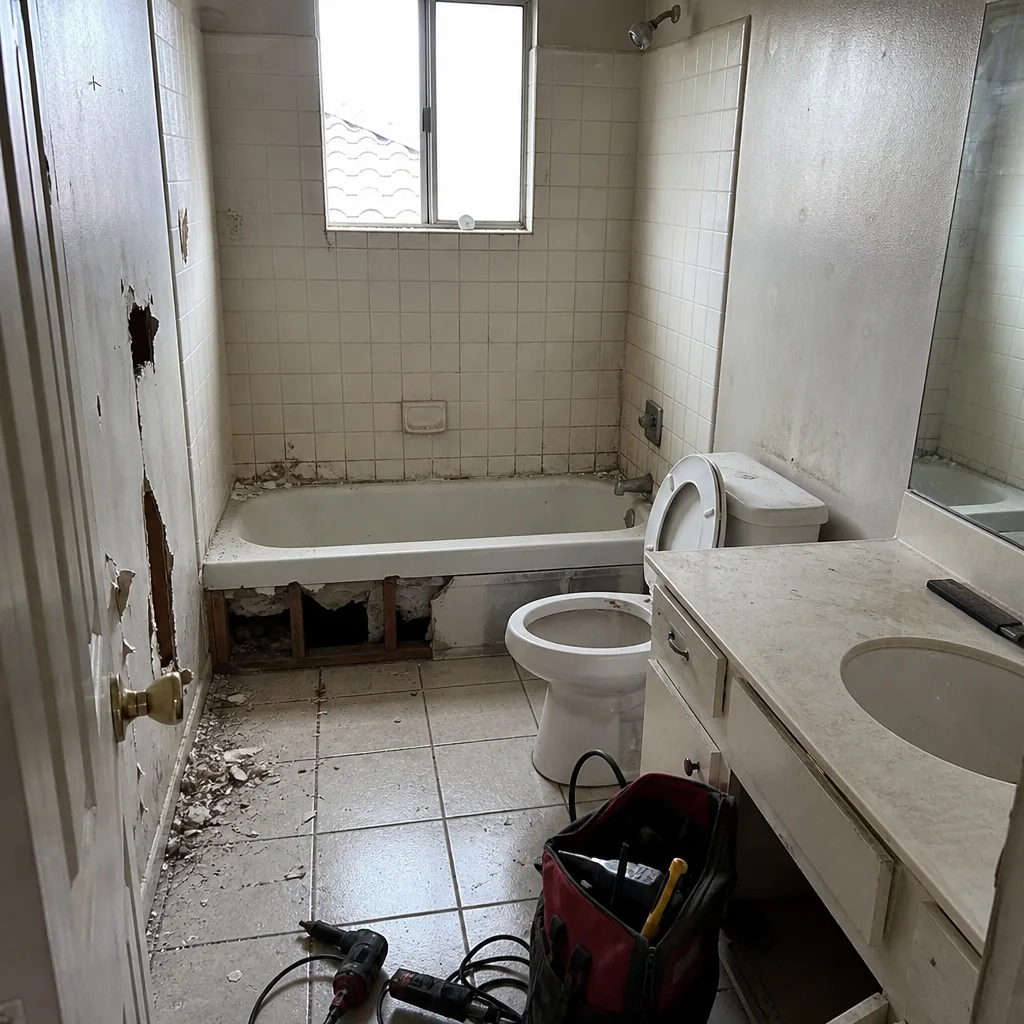 Before
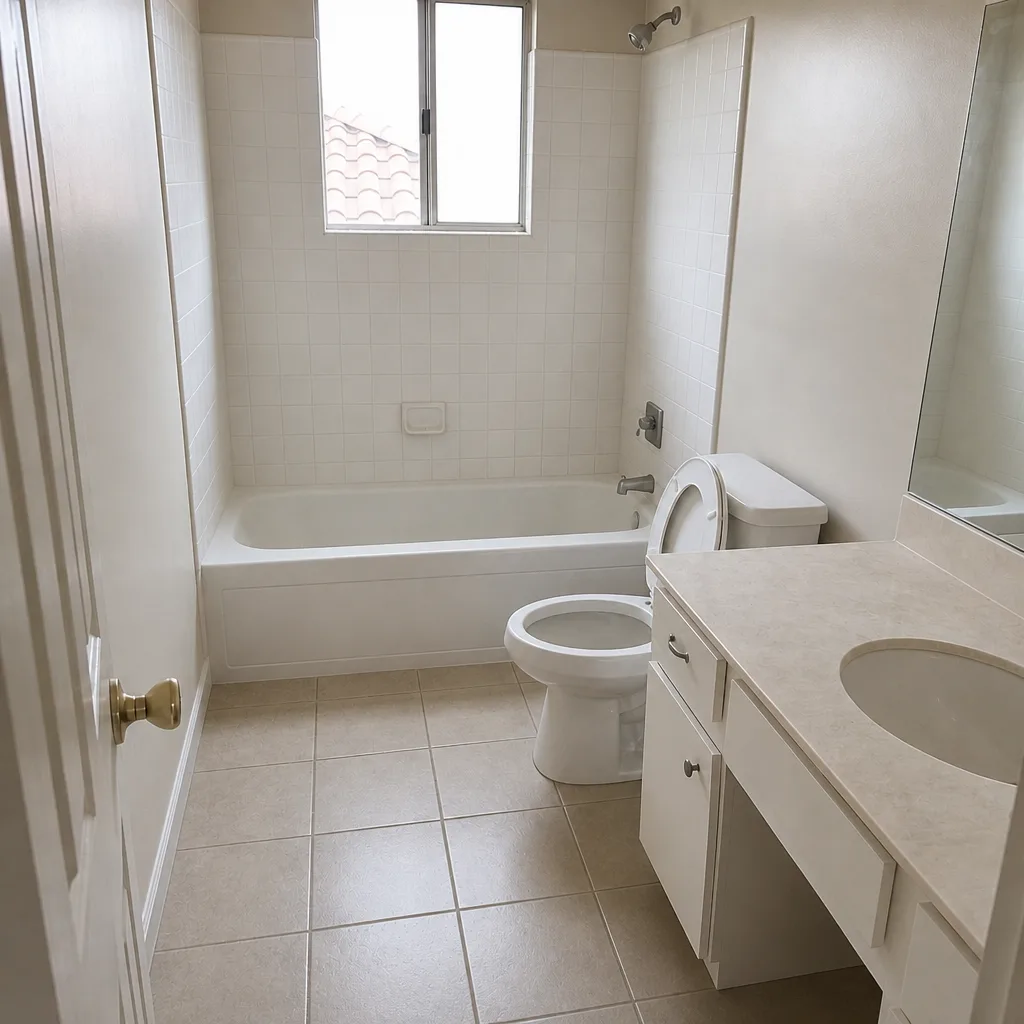 After
 Before
 After
 Before
 After