Last updated November 18, 2026



Free in-home design visit - walk-in showers, tub-to-shower conversions, and Kohler, Moen, and Delta fixtures planned to your exact space
How to Hire a Bathroom Remodeling Contractor in North Las Vegas: A Step-by-Step Guide
Nevada requires contractors to be licensed, and most homeowners in North Las Vegas take that as the finish line. It isn’t even the starting line. A commercial framing contractor and a dedicated bathroom remodeler can hold the exact same license classification, which means the state credential proves a contractor is legally allowed to build, not that they know the first thing about a waterproof shower pan, a proper curb detail, or the slope that keeps water headed toward the drain. This guide walks you through how to read a Nevada license for what it actually says, five questions that separate specialists from generalists in ten minutes, and the contract language that tells you whether a bid is real or a number pulled out of thin air.
Quick Answer
Hire a bathroom remodeling contractor in North Las Vegas by verifying their Nevada State Contractors Board license and classification, asking specifically about bathroom-only experience, insisting on a written bid with line-item scope and named fixture models, confirming who pulls the permits, and reading the payment schedule so it doesn’t front-load materials. The contractor’s license type alone won’t tell you whether they specialize in bathrooms, so you have to ask.
Styles & brands we work with
- Walk-in shower
- Tub-to-shower
- Freestanding tub
- Kohler
- Moen
- Delta
- Frameless glass
Table of Contents
- How do I read a Nevada contractor license for bathroom work?
- Five questions that expose a specialist in ten minutes
- What should a legitimate bathroom remodeling bid include?
- Why fixture procurement changes the whole job
- Contract red flags specific to bathroom projects
- How North Las Vegas climate and housing shape the work
- Walk-in showers and tub-to-shower conversions
- Common mistakes to avoid
How do I read a Nevada contractor license for bathroom work?
A Nevada State Contractors Board license tells you the contractor is legally permitted to perform specific types of construction, and each license carries a classification that describes that scope. What it does not tell you is whether the contractor has ever built a bathroom. A license is a legal permission slip, not a portfolio.
When you look up a contractor on the state board’s website, focus on three things: the license status (active, expired, suspended), the classification and subclassifications, and whether the license carries any disciplinary history. An active license is the floor. Everything that actually matters about bathroom work happens above that floor.
Here’s the part homeowners miss. General building classifications allow a contractor to build a structure, and residential classifications cover single-family homes. A bathroom remodel falls inside both. So does a whole-house build, a garage, a commercial framing job. The classification won’t narrow it down for you. You have to ask the contractor directly what share of their work is bathrooms, and then verify it against what you can see.
Three things to check on the contractor’s license record:
- Active status and expiration date. A license that lapses mid-project creates real legal exposure for you.
- Classification and subclassifications. Know what yours says so you understand what the contractor is actually licensed for.
- Disciplinary history. The board posts this. Read it before you sign anything.
Ask for the license number in writing on the bid itself. A contractor confident in their licensing puts the number on the proposal without being asked twice. In our experience, the ones who fumble that request are usually the ones whose paperwork you’d have to chase.
Five questions that expose a specialist in ten minutes
You can tell the difference between a bathroom specialist and a generalist in about ten minutes of conversation, and none of the questions are tricky. They’re just specific enough that a generalist has to bluff, and a specialist answers from muscle memory.
Ask these in order. Listen for concrete detail, not reassurance.
- “What do you use behind the tile on a shower wall?” A specialist names a waterproofing system or substrate without hesitation. If you hear “cement board and RedGard” from a generalist in one breath and a full waterproofing assembly from a bathroom specialist, you’ve found your filter. We use Schluter Systems products because the waterproofing is the part no one sees after the job, and it’s the part that determines whether the tile lasts.
- “How many of your last ten jobs were bathrooms?” A generalist will give you a percentage. A specialist gives you a routine. The answer matters less than whether the contractor can describe their current pipeline without flinching.
- “Who pulls the permit, and who meets the inspector?” A bathroom specialist answers this without hesitation. If the contractor hedges or offers to “work something out with the homeowner” on permits, walk.
- “Which fixture brands do you source, and can I see the model lines?” A specialist has a supply relationship and names real brands. A generalist sends you to a big-box store and tells you to pick something.
- “What’s the sequence on a tub-to-shower conversion, start to finish?” You want to hear demo, rough-in, waterproofing, tile, glass, trim, inspection. If the answer skips waterproofing, the contractor just told you what they cut.
Add a sixth if you want: ask what they’ve seen go wrong on a bathroom project and how they handled it. Nobody who does this work routinely struggles to answer that one.
What should a legitimate bathroom remodeling bid include?
A legitimate bathroom remodeling bid is a line-item scope description, not a lump-sum number. It should let you see exactly what’s being built, with what materials, and by whom. If your bid is one paragraph ending in a total, you don’t have a bid. You have a hope.
Every bathroom bid we’d consider credible includes:
- Demolition scope. What’s coming out, whether it’s hauled away, and whether flooring underlayment is included.
- Rough-in and plumbing work. Relocation of the drain or supply lines, valve replacement, and who handles it.
- Waterproofing materials and method. Named products, not “waterproof membrane” as a vague line.
- Tile specification. Sq footage, tile selection allowance or named tile, and the labor line for setting.
- Fixture schedule with models. Brand, model number, and finish. Not “customer-selected fixtures.”
- Glass and shower door. Framed or frameless, dimensions, and who measures it.
- Permit line. Who pulls it, what it costs, and who meets the inspector.
- Electrical and ventilation. Fan replacement or install, GFCI outlets near water.
- Cleanup and disposal. Debris hauling and a final walkthrough.
- Payment schedule and warranty. When each draw is due, what triggers it, and what’s covered after.
Compare bids on the scope, not the bottom line. A bid that’s $3,000 less and skips waterproofing isn’t cheaper. It’s a smaller job with the expensive part removed. In North Las Vegas, a full bathroom remodel typically falls in a wide range depending on size, fixture tier, and whether the layout moves. Get the written line-item quote before you compare anything. The written estimate sets the final price, and changes only happen with a written change order you sign.
Why fixture procurement changes the whole job
Two contractors can quote the same bathroom and deliver very different results, and the tell is often where the fixtures come from. A contractor with a supply relationship sources through professional channels. A contractor without one hands you a shopping list and tells you to go to the big-box store.
That distinction matters more than it sounds. Supply-chain fixtures arrive with correct rough-in dimensions, matching trim, and a spec sheet the plumber can work from. Box-store fixtures are frequently the same product model in a different packaging, but the contractor has no relationship with the manufacturer if something’s wrong, no leverage on a warranty issue, and no ability to match finishes across lines. You end up making the decisions that should have been made by someone who has installed the product before.
We work from an eight-brand fixture portfolio: Kohler, Moen, Delta, American Standard, Toto, Schluter, Sterling, and Grohe. That range covers everything from everyday reliable to European luxury, and it means a client can choose a Sterling shower system for budget and a Grohe thermostatic valve for the feel of the thing, without the contractor having to substitute a house brand they happen to stock. Toto and Grohe availability is often the line between a good bathroom and one that performs like it cost more than it did.
Ask your contractor for a fixture schedule with brand and model before the contract is signed. If the answer is “we’ll pick that out later,” you’ve just learned who’s running the project.
Contract red flags specific to bathroom projects
Bathroom projects have their own contract traps, and they’re not the same ones you read about on general contractor checklists. Watch for these.
- Vague allowance lines. “Tile allowance $1,200” with no sq footage and no finish level means the contractor can substitute the cheapest available and call it within allowance. Demand sq footage and a named product line.
- Missing permit responsibility. If the contract doesn’t say who pulls the permit and who meets the inspector, the answer is probably “the homeowner, after the fact.” Bathroom remodels almost always require a permit because plumbing and electrical work moves. Confirm it in writing.
- Payment schedules front-loaded toward materials. A draw schedule that demands 50% down before demo is a financing arrangement, not a construction schedule. Standard practice is smaller deposits and draws tied to completed milestones.
- “Waterproofing included” with no product name. The waterproofing is the one part of the job you’ll never see after install. If it isn’t named, it isn’t specified.
- No written change-order process. Bathroom projects find surprises behind walls. A contract that doesn’t say how changes get priced and approved lets the price drift.
- Glass and door excluded with no note. Shower glass is often subcontracted separately. If it’s not on the bid, ask who’s measuring, ordering, and installing it.
- Warranty that doesn’t name what’s covered. Workmanship and materials carry different warranties. Ask for both in writing.
None of these red flags are unique to North Las Vegas. What is local is the consequence: a stalled bathroom project in a house where the only working shower is now in a demolition pile is a very different problem in July than in January. Get the contract right before demo starts.
How North Las Vegas climate and housing shape the work
North Las Vegas sits in the Mojave, and the climate does more to a bathroom than most homeowners expect. Summer heat and low humidity pull moisture out of everything, including tile grout, which means the shower assembly needs to be built to tolerate expansion and contraction. Monsoon season in late summer brings humidity swings and occasional wind-driven rain through windows and vents. A waterproofing system that’s just tile over cement board without a proper membrane doesn’t fail all at once. It fails slowly, in a closet wall, over a winter or two.
The housing stock in neighborhoods across North Las Vegas, from Whitney to the newer subdivisions near the northern edges, runs from older single-story homes to 2000s-era construction. Both have bathroom quirks. Older homes often have cast iron or galvanized drain lines that need to be scoped before a tub-to-shower conversion, because the new shower will move more water through a line that may already be at the edge of its capacity. Newer homes frequently have PEX supply lines and plastic drains, and the tile assemblies often used builder-grade cement board without a true waterproofing membrane. That’s a gut decision on a shower remodel, not a cosmetic one.
We plan every bathroom around three things in this climate: waterproofing that performs in dry heat, ventilation that removes humidity before it condenses, and tile assemblies that hold up to expansion and contraction across a wide temperature swing. If your contractor’s bid doesn’t address ventilation, ask why. A bathroom fan that moves air out is as important as the tile that covers the wall.
Walk-in showers and tub-to-shower conversions
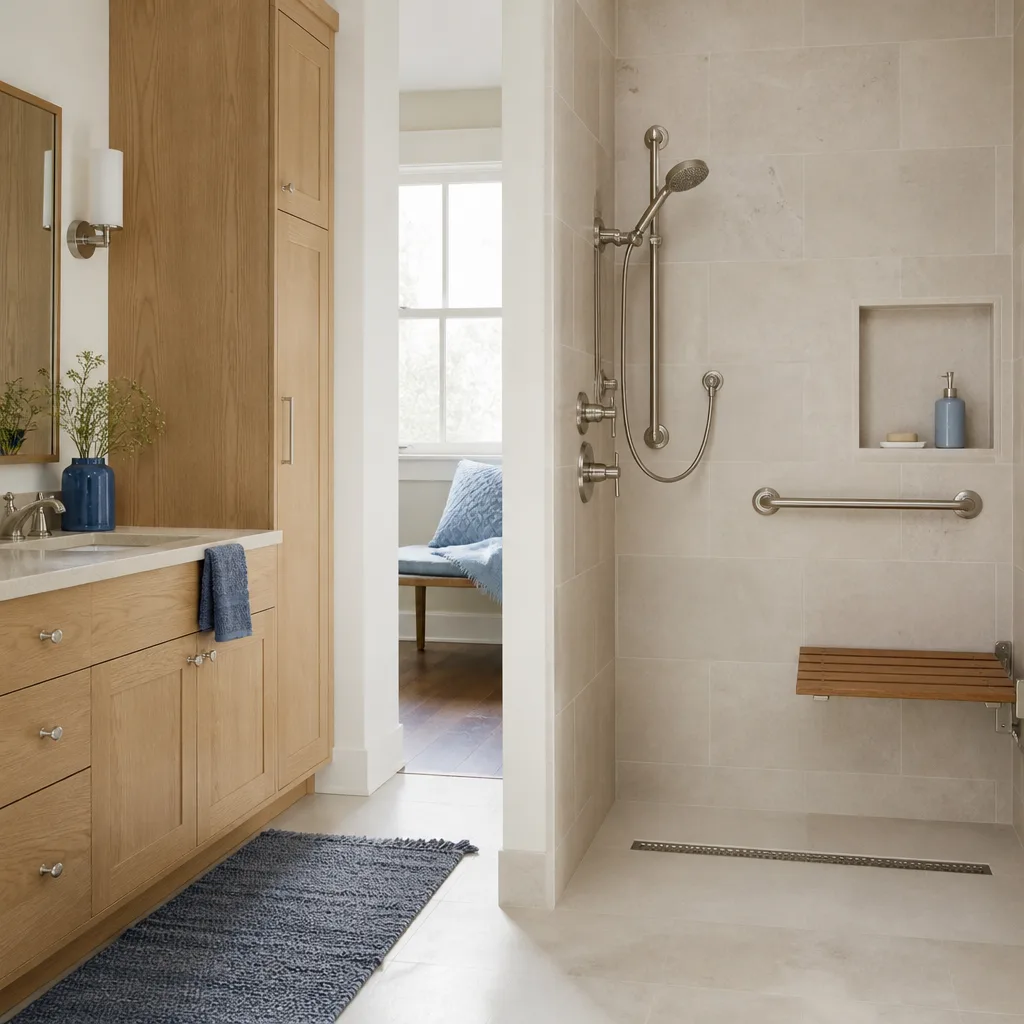
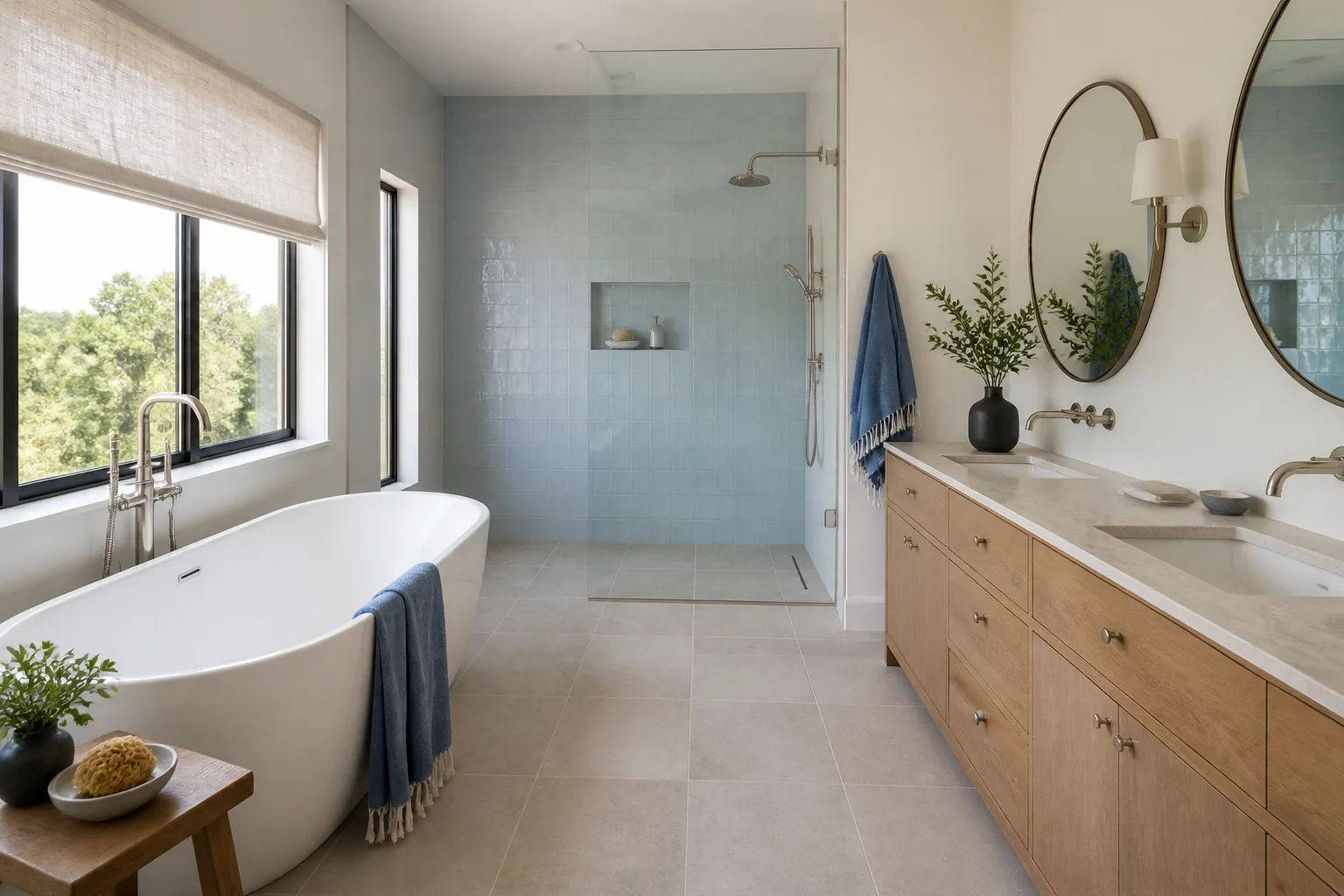
Walk-in showers and tub-to-shower conversions are the two most requested projects we see, and they’re often confused with each other. They’re not the same job. A walk-in shower is a new build from the studs out, sized and sloped for a curbless or low-curb entry. A walk in shower install typically involves floor prep, a linear or center drain, a waterproofing assembly, tile, and glass. A tub-to-shower conversion takes an existing tub alcove and refits it as a shower, which usually means reworking the drain location, the supply valve height, and sometimes the framing at the back wall.
Both are accessibility plays as much as aesthetic ones. A homeowner converting a tub for a parent who can no longer step over a 14-inch apron is solving a real problem, and doing it without a proper slope and grab-bar blocking is a safety failure waiting to happen. Tub-to-shower conversions should include blocking behind the walls for future grab bars, even if the bars aren’t installed on day one. That’s an inexpensive addition at the framing stage and an expensive retrofit later.
For a full bathroom bathroom remodeling project that includes layout changes, the walk-in shower and the conversion get planned together with the rest of the room. For a conversion alone, the timeline is tighter and the scope is narrower. A tub-to-shower on your timeline means finishing the alcove work without the demolition spreading into the rest of the bathroom you weren’t planning to touch.
Where a walk-in shower needs the full Bathroom Remodeling North Las Vegas treatment, we plan it with the same waterproofing and fixture schedule as the rest of the room. The Schluter assembly is the same either way. The difference is how much of the bathroom comes out with it.
Common Mistakes to Avoid
- Hiring on price alone. A bid $4,000 below the others is almost always a bid with waterproofing, permits, or fixtures removed. Compare the scope line by line before you compare the total.
- Skipping the license lookup. Nevada posts license status and disciplinary history online. Reading it takes two minutes and prevents the single most expensive category of mistake.
- Treating the license as proof of bathroom experience. The classification won’t tell you whether the contractor has built a shower pan this year. Ask directly, and ask for specifics.
- Letting the contractor send you to the store. If you’re picking tile and fixtures alone without a professional spec sheet, you’re doing the contractor’s job. In North Las Vegas, tile selection that looks right in a showroom lighting setup and fails in desert daylight is a common regret.
- Not confirming the permit. Bathroom remodels move plumbing and electrical, which almost always require a permit. If the contract is silent on who pulls it, assume no one is.
- Front-loaded payment schedules. Any schedule that asks for most of the money before demo starts shifts the financial risk to you.
- Ignoring ventilation. A bathroom without adequate exhaust in this climate grows problems behind the walls. Ask about the fan and the vent path before the ceiling closes up.
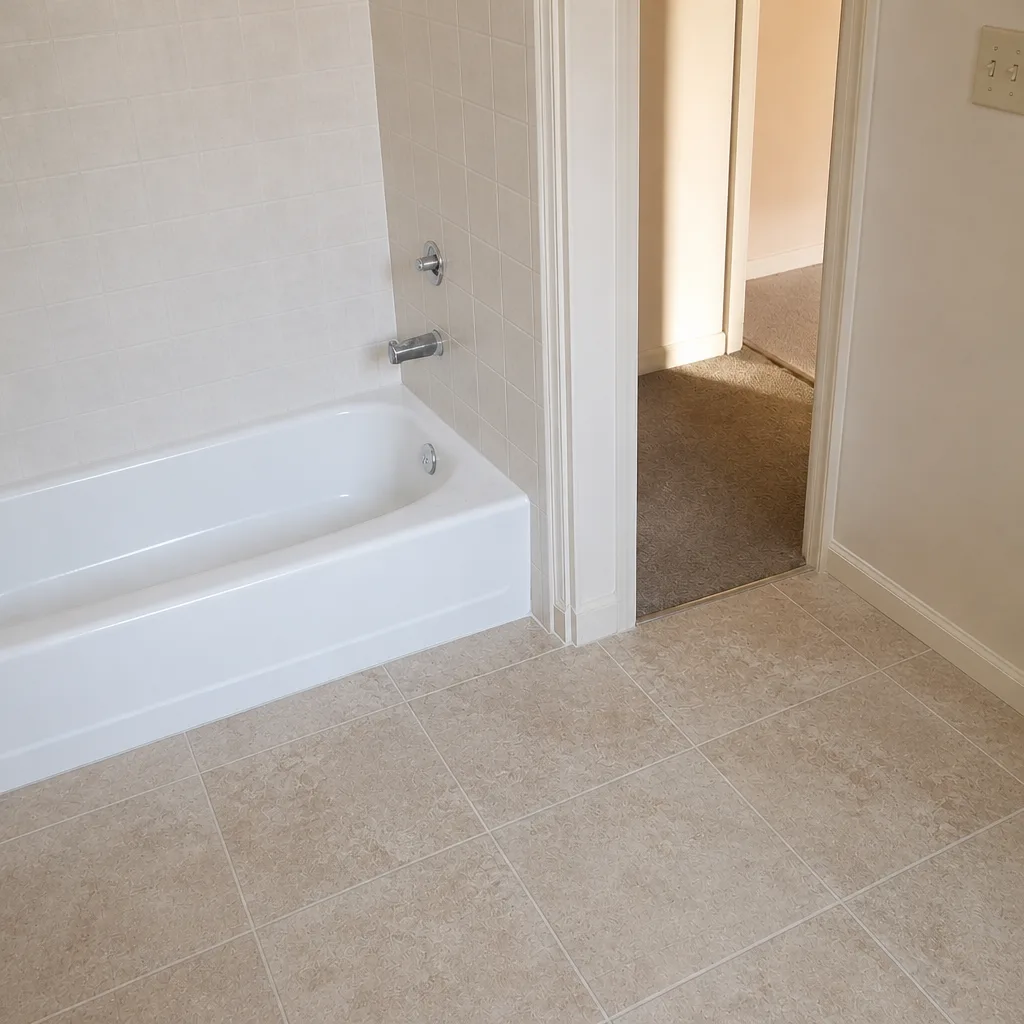
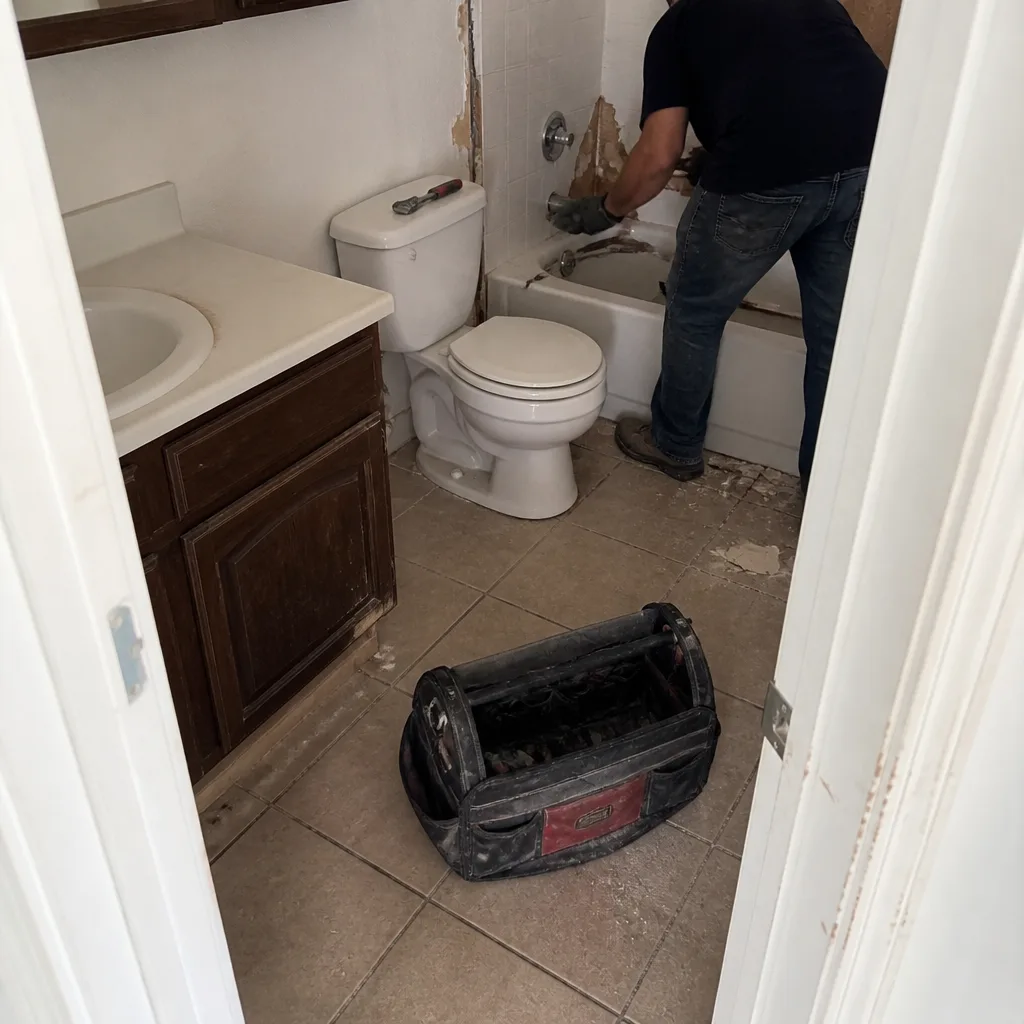
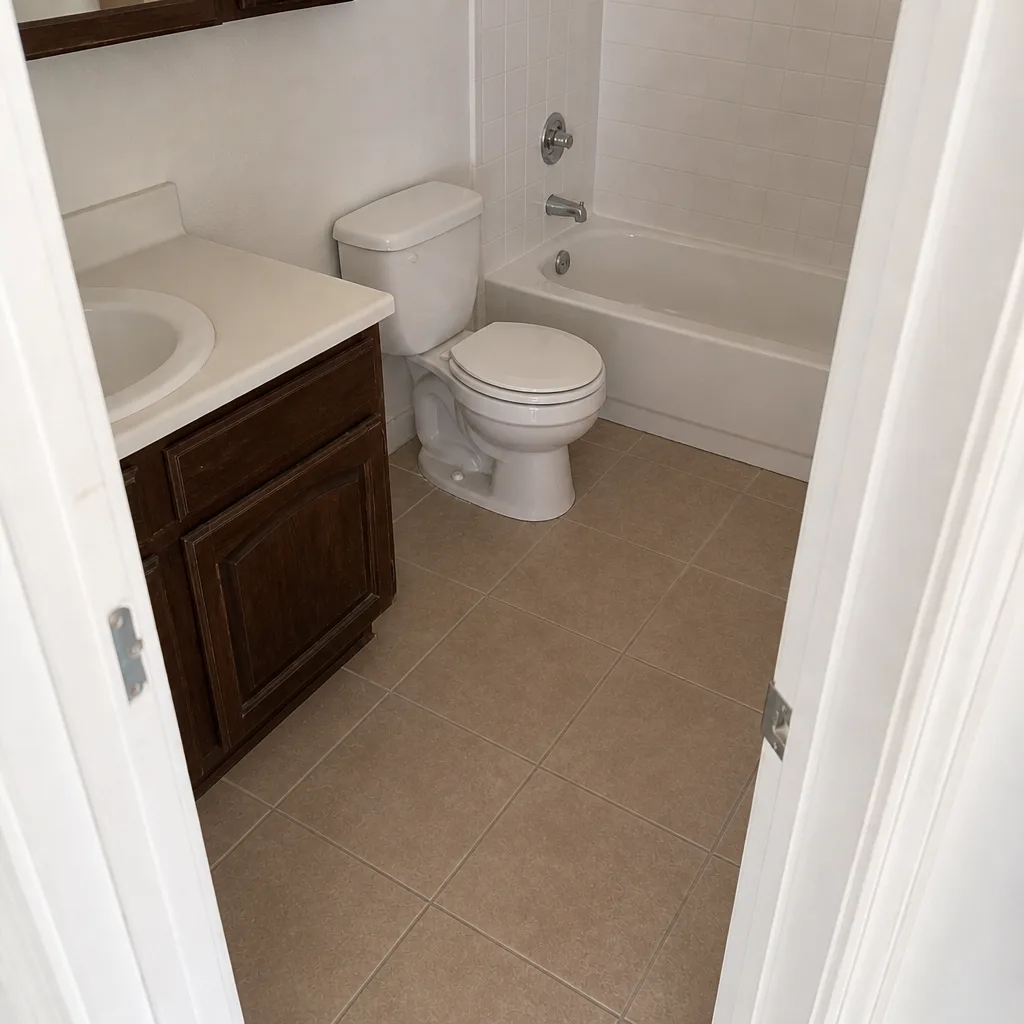
See the difference
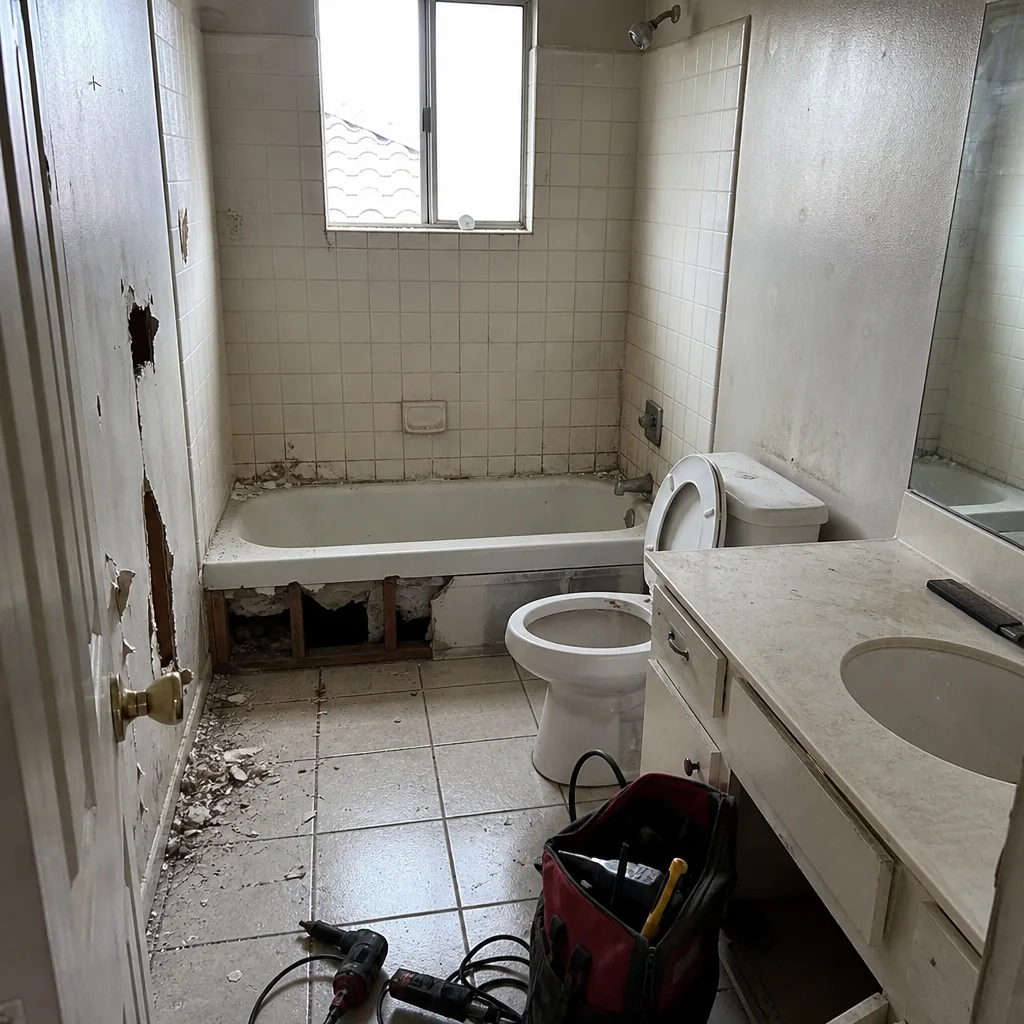 Before
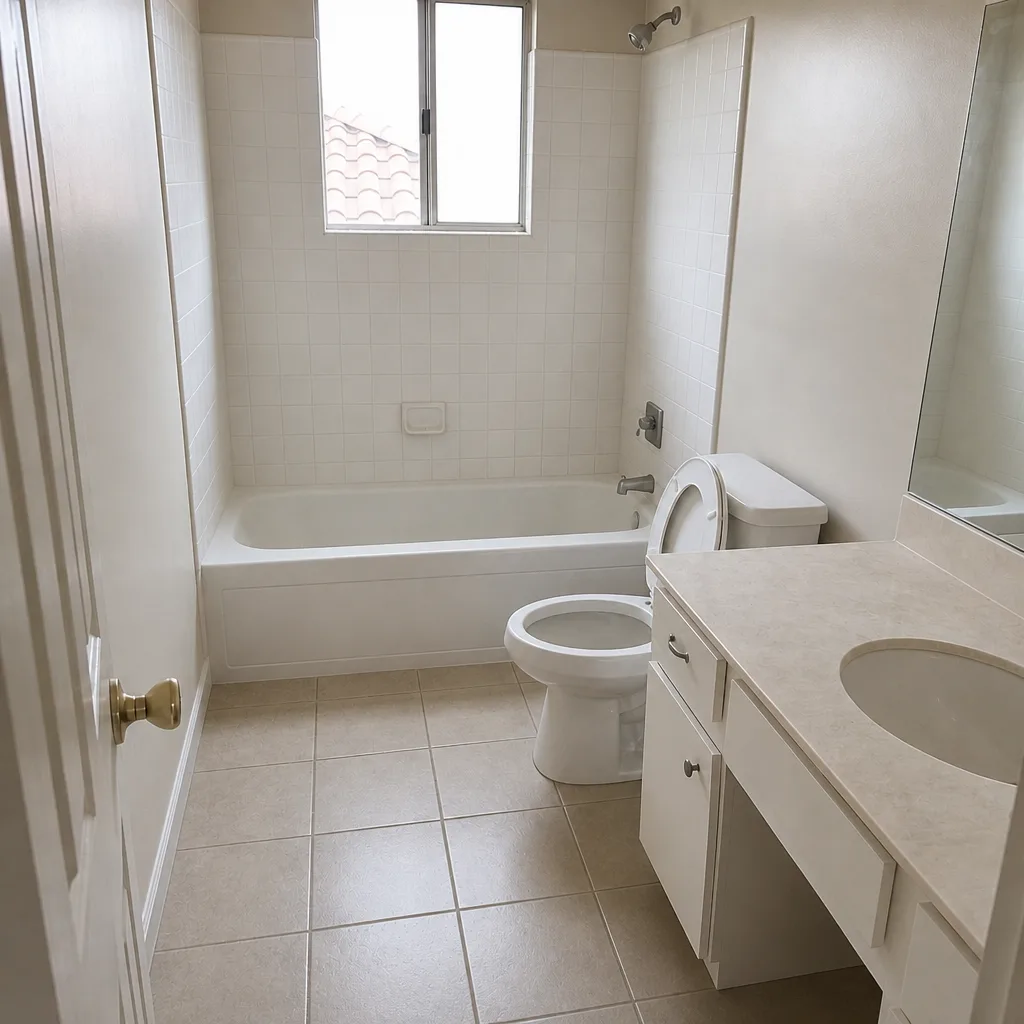 After
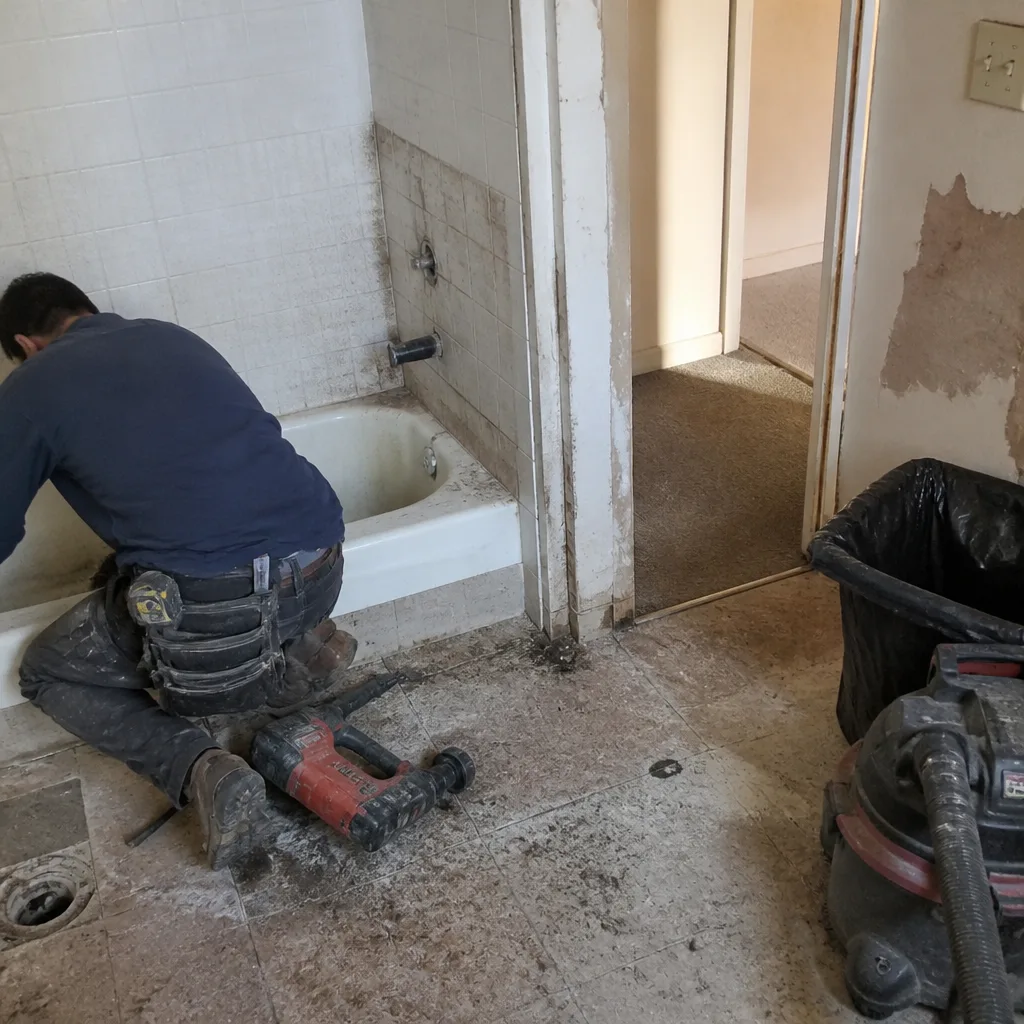 Before
 After
 Before
 After
When to Call a Professional
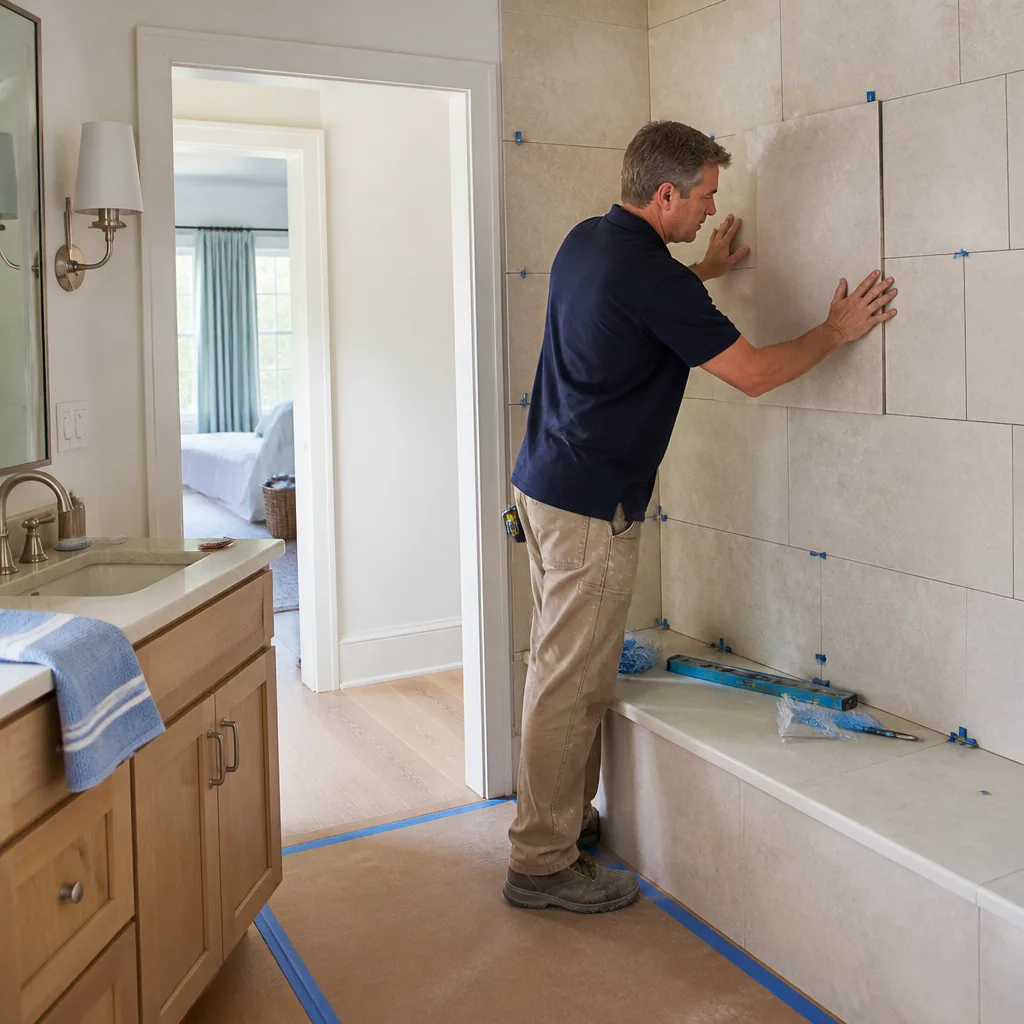
Some bathroom projects are genuinely DIY territory: swapping a faucet, replacing a toilet flapper, regrouting a backsplash. The moment plumbing rough-in, waterproofing, electrical, or structural change enters the picture, call a professional. Waterproofing is the one most homeowners get wrong, and it’s the one that costs the most to fix later. A shower that leaks into the wall for a year can turn a $9,000 remodel into a $25,000 repair.
Call a professional if you’re planning a tub-to-shower conversion, a walk-in shower install, or a full bathroom remodel with layout changes. Call if your existing shower is over five years old and the tile is visibly lifting or the grout is failing, because that’s usually a waterproofing problem, not a cosmetic one. Call if you’re remodeling for accessibility and need blocking, a proper slope, and code-compliant grab-bar placement. And call before you buy fixtures, because the selection should follow the plan, not the other way around.
Bathroom Remodeling North Las Vegas offers free estimates in North Las Vegas – call (844) 834-0636. We answer 24/7. Fast dispatch from 7am to 7pm, Sunday through Friday.
Frequently Asked Questions
Bathroom remodels in North Las Vegas typically range from about $6,000 for a straightforward tub-to-shower conversion with a Sterling shower system and standard tile, up to $30,000 or more for a full primary bathroom remodel with layout changes and premium fixtures like Toto or Grohe. The written line-item estimate sets the final price, so get one in writing before comparing bids. Call (844) 834-0636 for a free estimate.
Most bathroom remodels in North Las Vegas require a permit from the city, and any project that moves plumbing or electrical almost certainly does. Confirm the requirement with the North Las Vegas building department before work starts. A contractor who offers to skip the permit is telling you something important about how they operate. Ask your contractor to put permit responsibility in the contract in writing.
Not on a properly bid project. The written estimate sets the final price, and changes only happen through a signed change order. The one legitimate exception is what gets found behind the wall after demo: a compromised drain line, water damage from a previous leak, or framing that needs work. A good contract says upfront how those surprises get priced and approved before any extra work begins. Call (844) 834-0636 and we’ll walk you through how we handle found conditions.
A tub-to-shower conversion typically takes two to three weeks, and a full bathroom remodel with layout changes usually takes four to six weeks depending on scope and inspection timing. Glass and fixture lead times affect the schedule, which is why a fixture schedule signed before demo keeps the job moving. Ask for a written timeline with the bid, and ask what happens if a lead time slips.
Often, yes. A walk-in shower can frequently be built in an existing tub alcove with the drain relocated only a short distance, which keeps the plumbing work contained. Whether it works in your bathroom depends on the joist direction, the drain line capacity, and the slope you can get from the existing floor. We scope and confirm before demolition so the plan is real. Call (844) 834-0636 for a free estimate.
Ask specifically which brands the contractor sources from and whether you can see the model lines before you sign. We work from a fixed portfolio: Kohler, Moen, Delta, American Standard, Toto, Schluter, Sterling, and Grohe. That range spans reliable everyday fixtures up through European luxury, so there’s a right fit for the bathroom without a house-brand substitution. If a contractor can’t name their brands, they don’t have a supply relationship. Call (844) 834-0636 to see the lines.
The Bottom Line
The right bathroom remodeling contractor in North Las Vegas is a bathroom specialist, not a general contractor who happens to do bathrooms. The license classification won’t tell you which one you have, so you have to ask the right questions, verify the answers, and read the bid line by line for waterproofing method, permit responsibility, fixture models, and a payment schedule that doesn’t front-load materials. Compare scope, not totals. Confirm the brands and the models before demo, not after. And when the answers come back vague, treat that as the answer.
Written by the team at Bathroom Remodeling North Las Vegas.